
Sleeping under the stars, in practice
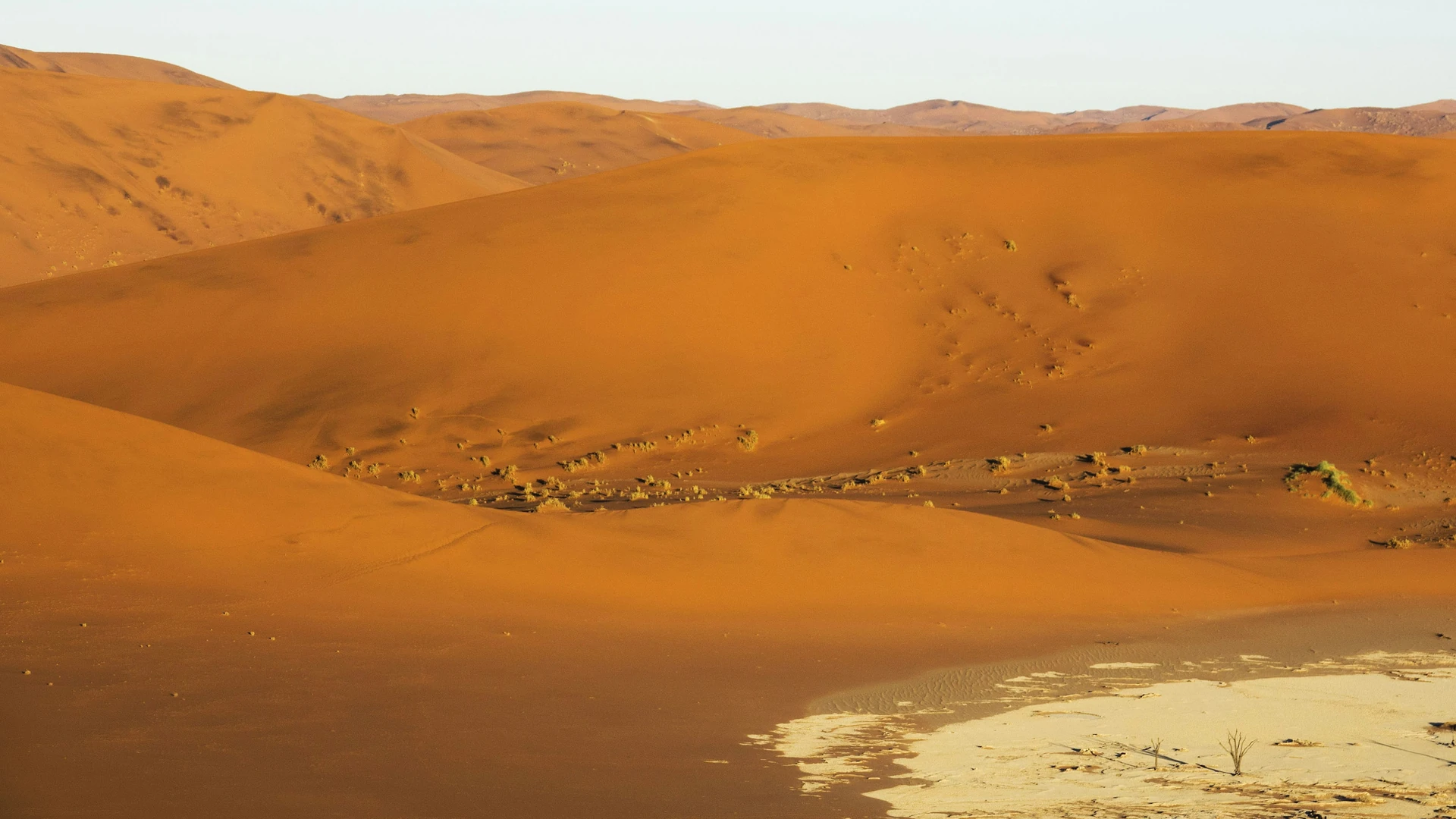
The phrase comes up often in desert camp descriptions, but it covers two different realities.
The first, more common, is sleeping in a canvas tent, with a sky you can glimpse by stepping outside for a few minutes.
The second, rarer, is genuinely sleeping outside: a mattress and blankets laid directly on a dune, with nothing overhead.
Most desert camps offer this second option on request, away from the main camp, for travellers who want it.
It is almost never imposed: you can always sleep in a tent if the wind picks up or the night seems too cool.
The routine remains simple.
After the Berber dinner around the fire, a guide accompanies volunteers to a ridge slightly apart, where the mattresses are already laid out.
There is no particular staging: just the silence, the sand still warm in places, and the sky taking over once the camp lights go out.
What the temperature really feels like
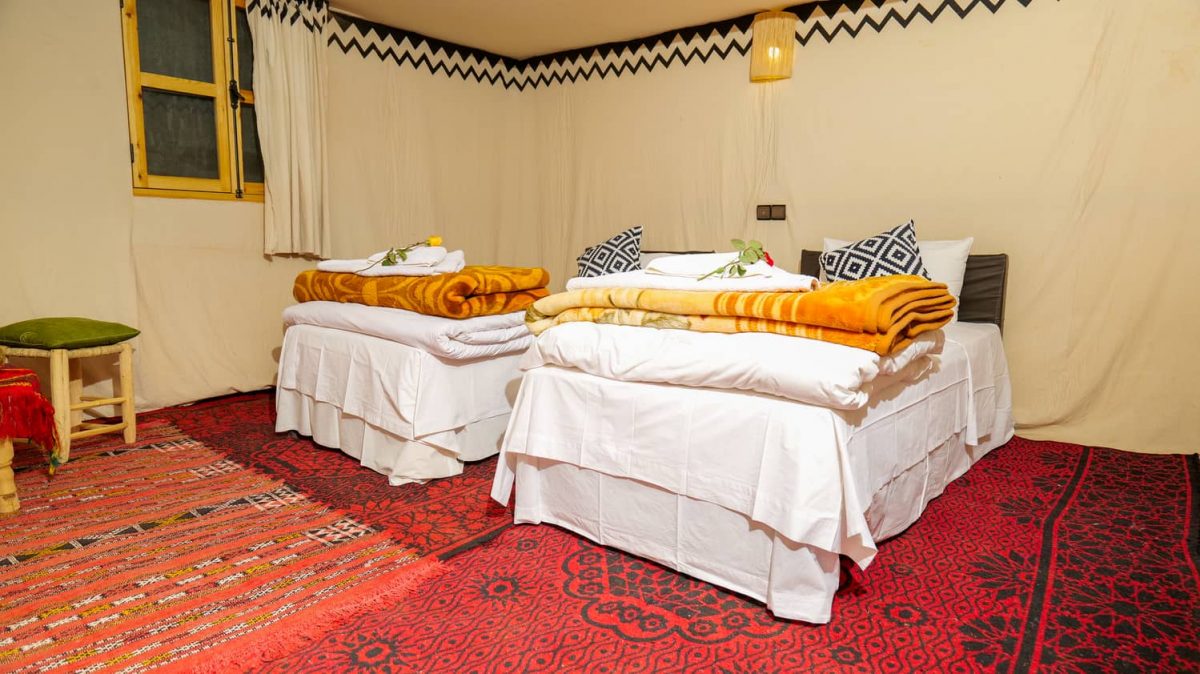
The sand that burned underfoot at 4pm turns cold a few hours after sunset.
It is one of the desert's most striking contrasts: daytime heat, sharp evening cool.
From October to April, nights can approach zero, even after a day that exceeded 25°C.
In summer, the gap exists too but is less severe, with nights around 20°C.
For a night under the stars outside summer, several layered blankets are not a luxury: they decide whether the experience stays pleasant or becomes a mostly cold memory.
The sky you can barely see anywhere else
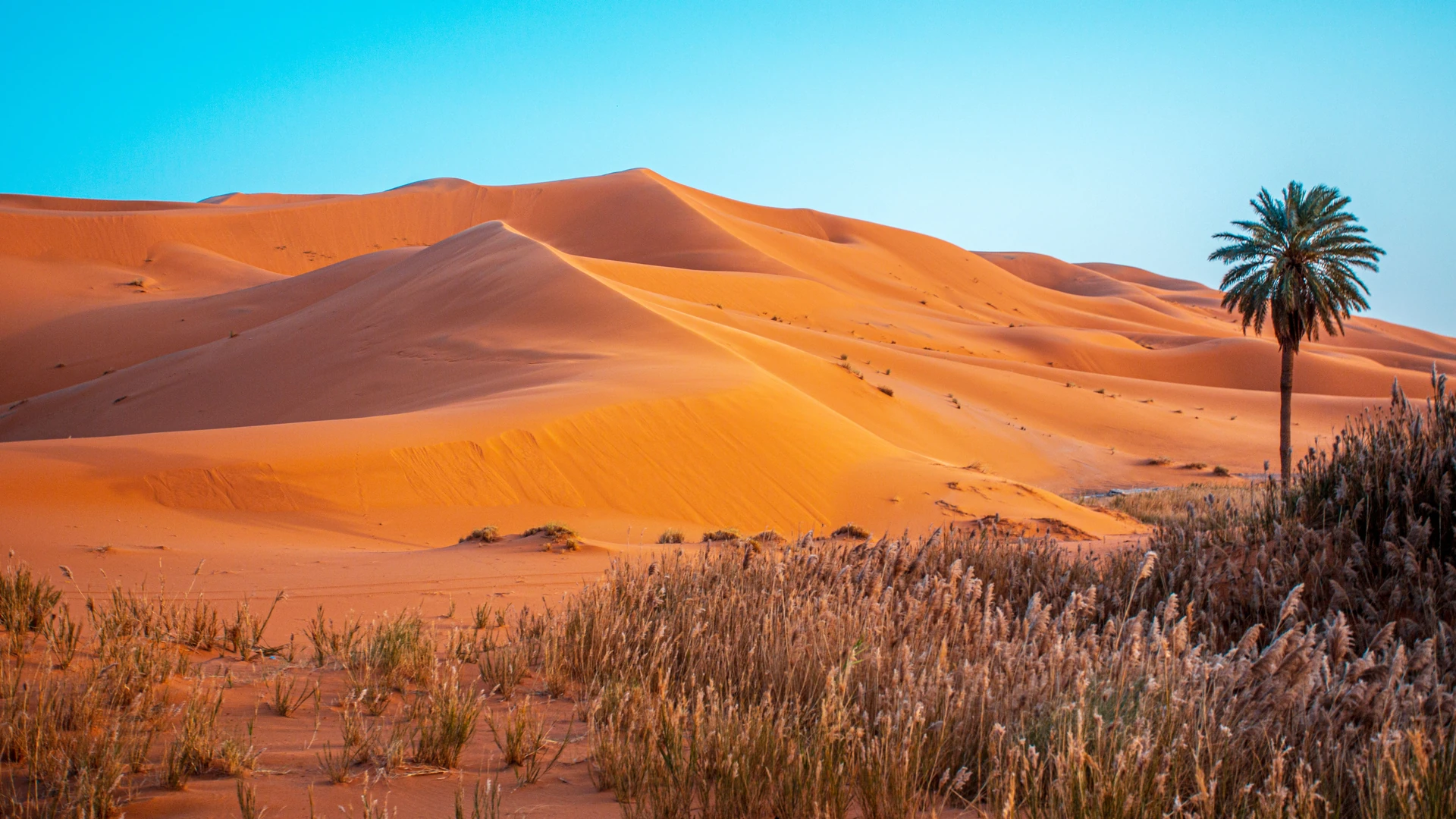
Merzouga lies far from big cities, with no dense public lighting around the erg.
Once the camp lamps go out, the sky becomes truly black, and the Milky Way appears clearly to the naked eye on clear nights, which is rarely the case from a city.
Moonless nights are the best for this experience.
Around the full moon, the sky remains beautiful but fewer stars are visible, the moonlight washing out the faintest ones.
Those planning their trip specifically for stargazing should therefore check the lunar calendar before setting their dates.
Who is this format for?
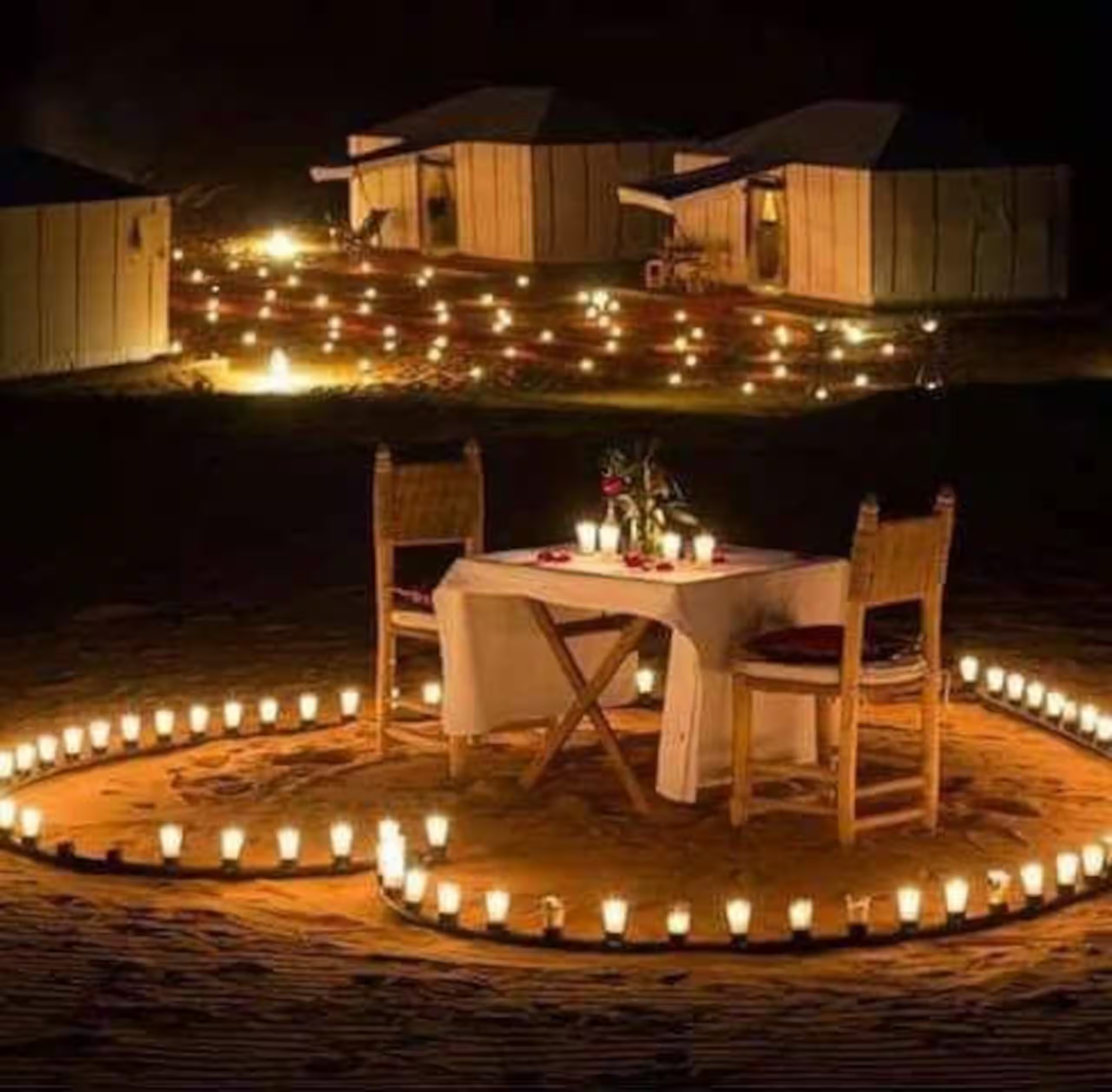
For curious adults or teenagers ready to accept reduced comfort for a special night, sleeping under the stars is worth it.
For young children or people sensitive to the cold in cooler seasons, it is better to stay in the tent: the rhythm of the night is similar anyway — Berber dinner then sleep, only the ceiling changes.
To understand where this night fits within a tour from Marrakech, our Marrakech-Merzouga itinerary page details the stages preceding arrival at the camp.
Official climate data for the region is available on the Moroccan National Tourist Office website.
When the camp cannot offer this option
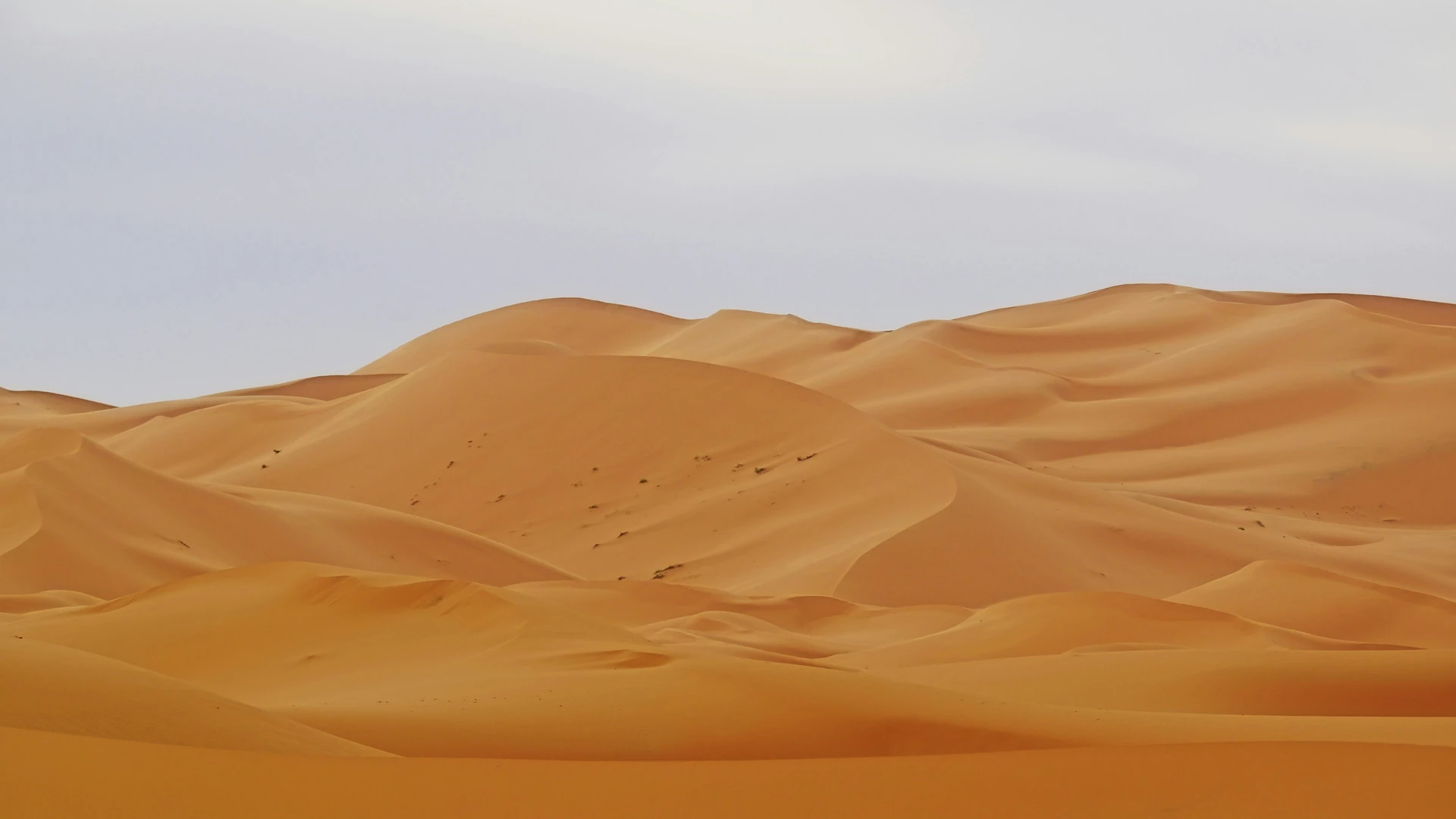
This format is not guaranteed every evening, and it is better to know that before making it the main expectation of the night.
Sand wind, even light, makes the experience unpleasant and pushes most camps to offer the tent instead.
An overcast or cloudy sky removes much of the appeal, since the starry sky is precisely what motivates the idea.
And a large group may simply exceed the number of insulated mattresses and blankets the camp keeps in reserve for this purpose.
In those cases, sleeping in a tent remains the solution, without changing anything else about the camp programme.
It is therefore more accurate to consider this night under the stars as an option to seize if conditions allow, rather than a firm promise of the stay.
What to have with you before settling on the dune
The gear to plan for is simple, but it makes a real difference to the comfort of the night.
A warm jacket and a beanie, even outside winter, as the air does not hold the day's warmth once you are away from the campfire.
A headtorch, ideally with a red light, to move around without dazzling other sleepers or spoiling your own night vision.
And if the camp allows it, an extra blanket on top of the ones provided, tucked into your bag before departure rather than requested once on the dune.
Our desert packing checklist details everything to plan for a camping stay, including a night under the stars.
For travellers who want to come home with photos of that night, our guide to astrophotography in Merzouga explains the basic settings and useful gear, without needing professional equipment.
Practical tip
Mention your wish to sleep under the stars before arriving at the camp: not all camps have enough extra insulated mattresses for a group.
Book Your Night in the Desert on WhatsApp
Pick-up directly from your hotel in Marrakech. No deposit required in advance.
Chat & Book Your Stay