
By day, Erg Chebbi is measured in degrees Celsius and kilometres of sand.
By night, it is measured differently.
Once the last groups have come down from the dunes and the campfire has died to a few embers, the sky takes over — dense, precise, without a single point of artificial light to blur it.
This guide explains what makes this sky special, when to come, and how to come home with real photos rather than a blurred memory.
Why is the Erg Chebbi sky so special?
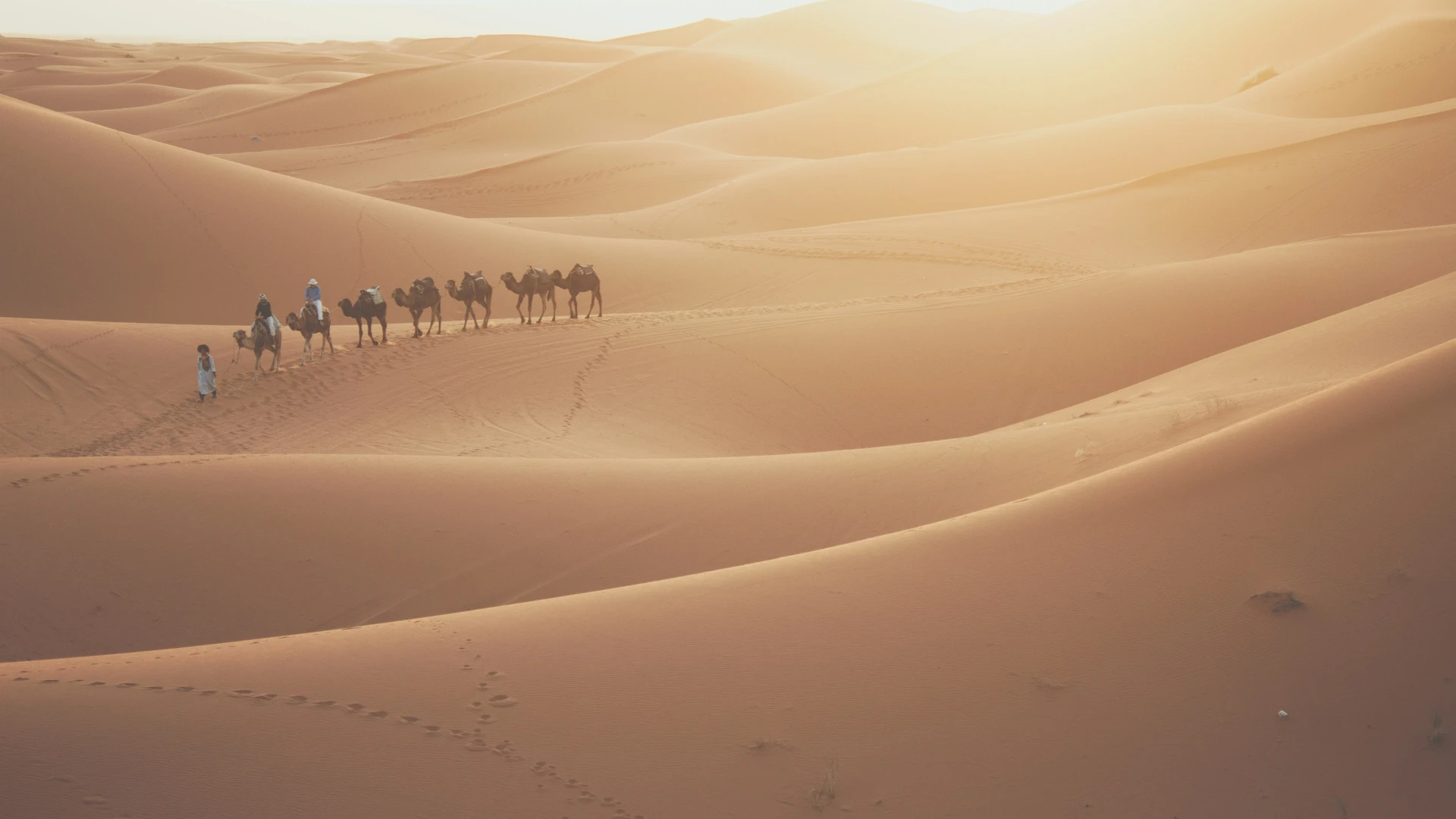
Three things come together here as rarely as anywhere.
First the darkness: no town for tens of kilometres, so no orange glow on the horizon to wash out the faintest stars.
Then the dry Sahara air, which limits atmospheric turbulence and makes points of light sharper.
Finally the horizon itself — the dunes have no trees or ridges to cut the view, the sky opens out 360 degrees above the camp.
The concrete result: the Milky Way, often invisible in towns even on a clear night, appears here as a dense, textured band, visible to the naked eye.
International light pollution maps, such as those compiled by the DarkSky International association, rank the Moroccan Sahara among the darkest areas on the continent.
What is the best time to watch the stars?
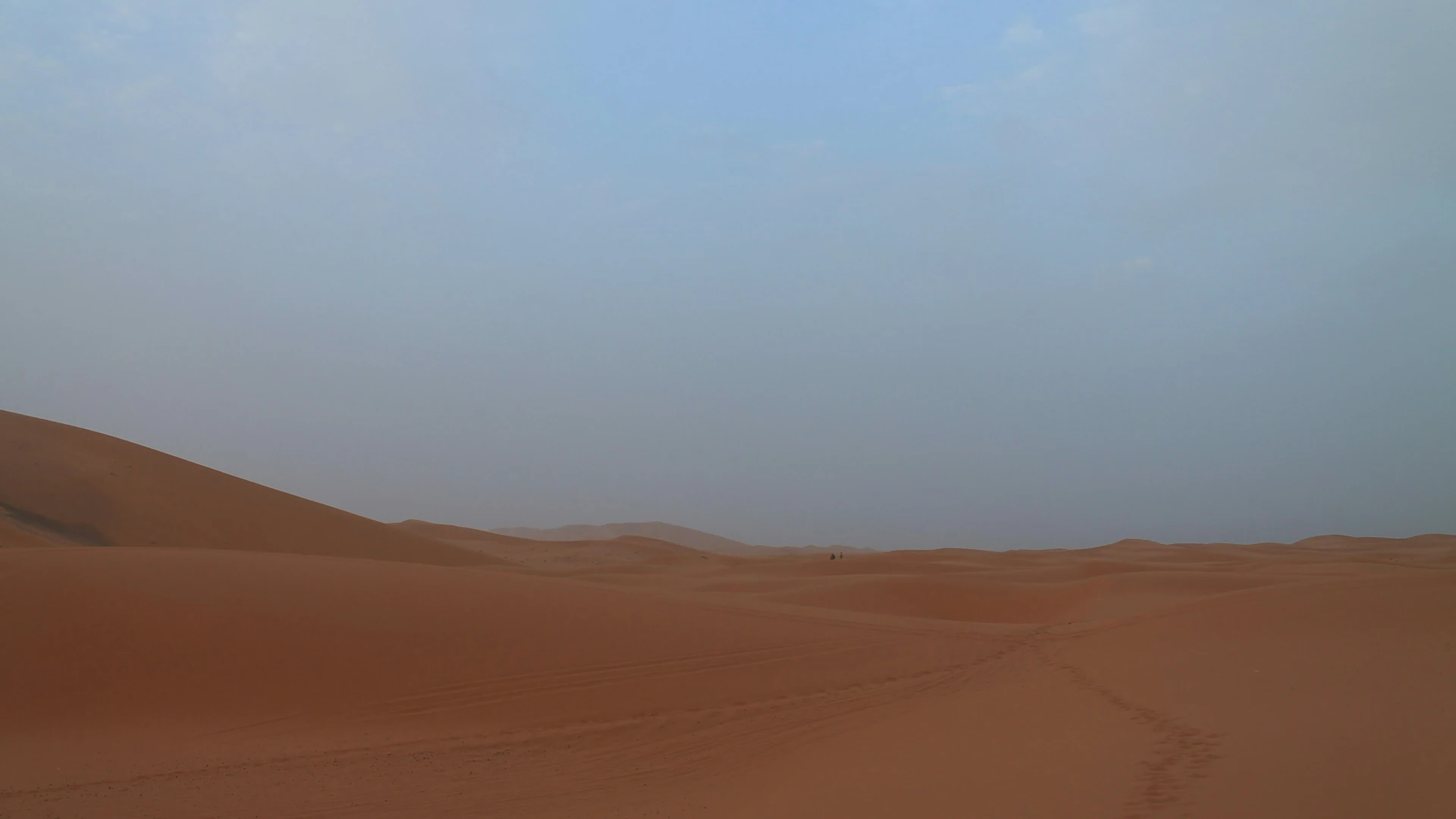
From October to May, for mild nights and a stable sky.
But one detail matters more than the season: the moon.
Nights close to the new moon offer the deepest dark and the best contrast — a full moon, by contrast, can drown half the show in its own light.
If stargazing is the priority of the trip, it is better to check the lunar calendar before fixing a date.
Summer is not ruled out — the sky stays clear — but the heat that lingers after sunset makes waiting less pleasant.
How do you photograph the Milky Way without professional gear?
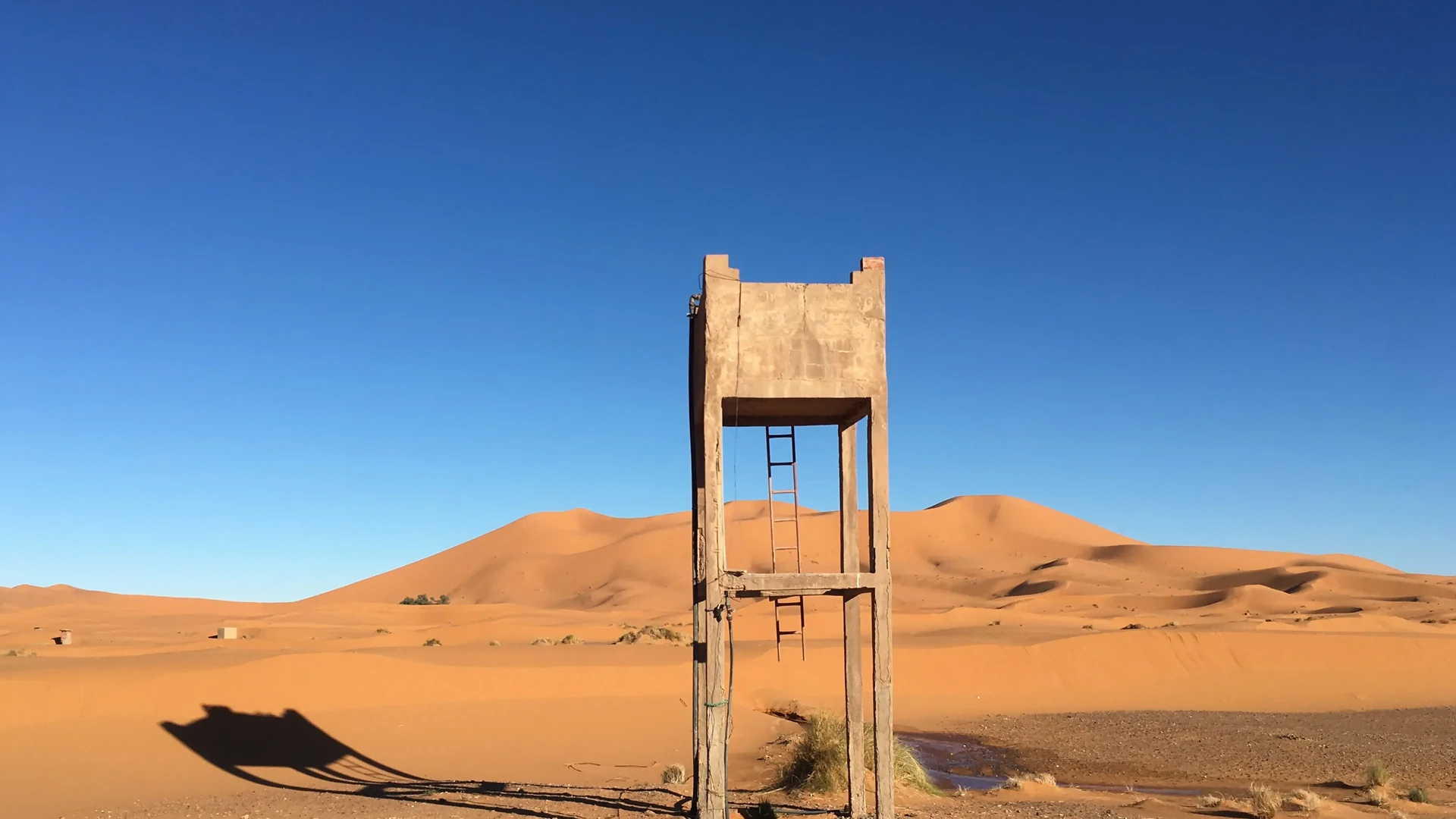
A stable tripod already solves half the problem — without one, any exposure longer than a second comes out blurred, whatever the camera.
Then, three settings are enough to start: aperture as wide as possible (f/2.8 ideally), exposure of 10 to 20 seconds, ISO sensitivity between 1600 and 3200.
Beyond 20 seconds, the stars start to trail slightly because of the Earth's rotation.
No DSLR to hand?
A recent smartphone in night mode, rested on a bag or a flat stone, often captures surprisingly good results.
A common mistake: aiming straight at the zenith.
The most impressive results come from framing a dune or a tent silhouette in the foreground.
How do you prepare for a night of stargazing?
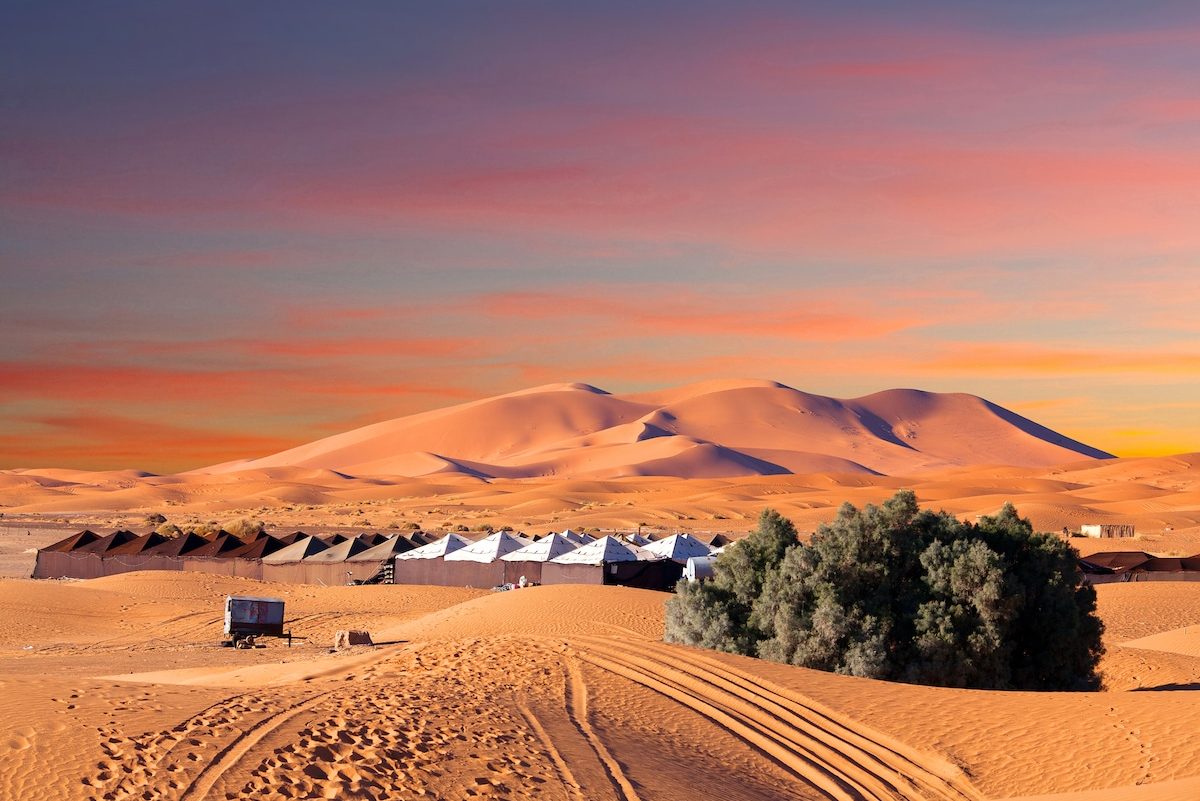
The cold surprises more travellers than the sand.
Once the sun sets, the temperature drops fast — a warm jacket and a beanie are not superfluous, even after a 35°C day.
A red-light headtorch preserves night vision, and a power bank stops your camera dying at the worst moment.
Also give yourself a little time before judging the sky.
Your eyes take about twenty minutes to adapt fully to the dark — it is often after that delay that the Milky Way becomes sharp.
For a stay built around this experience, our selection of the best desert camps in Merzouga details the camps furthest into the dunes, where the sky stays darkest.
For the experience itself, sleeping bag under the night sky rather than under canvas, our guide to sleeping under the stars in the desert details what desert camps really offer on that point.
Practical tip
Book the desert camp option rather than a simple outing if astrophotography is your priority: staying on site after dinner, without having to get back on the road, completely changes the quality of the session.
Book Your Merzouga Tour on WhatsApp
Immediate confirmation with no deposit required in advance.
Pick-up at your hotel.
Book Your Stay