
The question "when to go to Merzouga" comes up almost every time a trip is being planned.
There is no single answer.
It depends on what you are looking for: maximum thermal comfort, a particularly clear starry sky, or simply a desert less travelled by other groups.
The most comfortable window: October to April
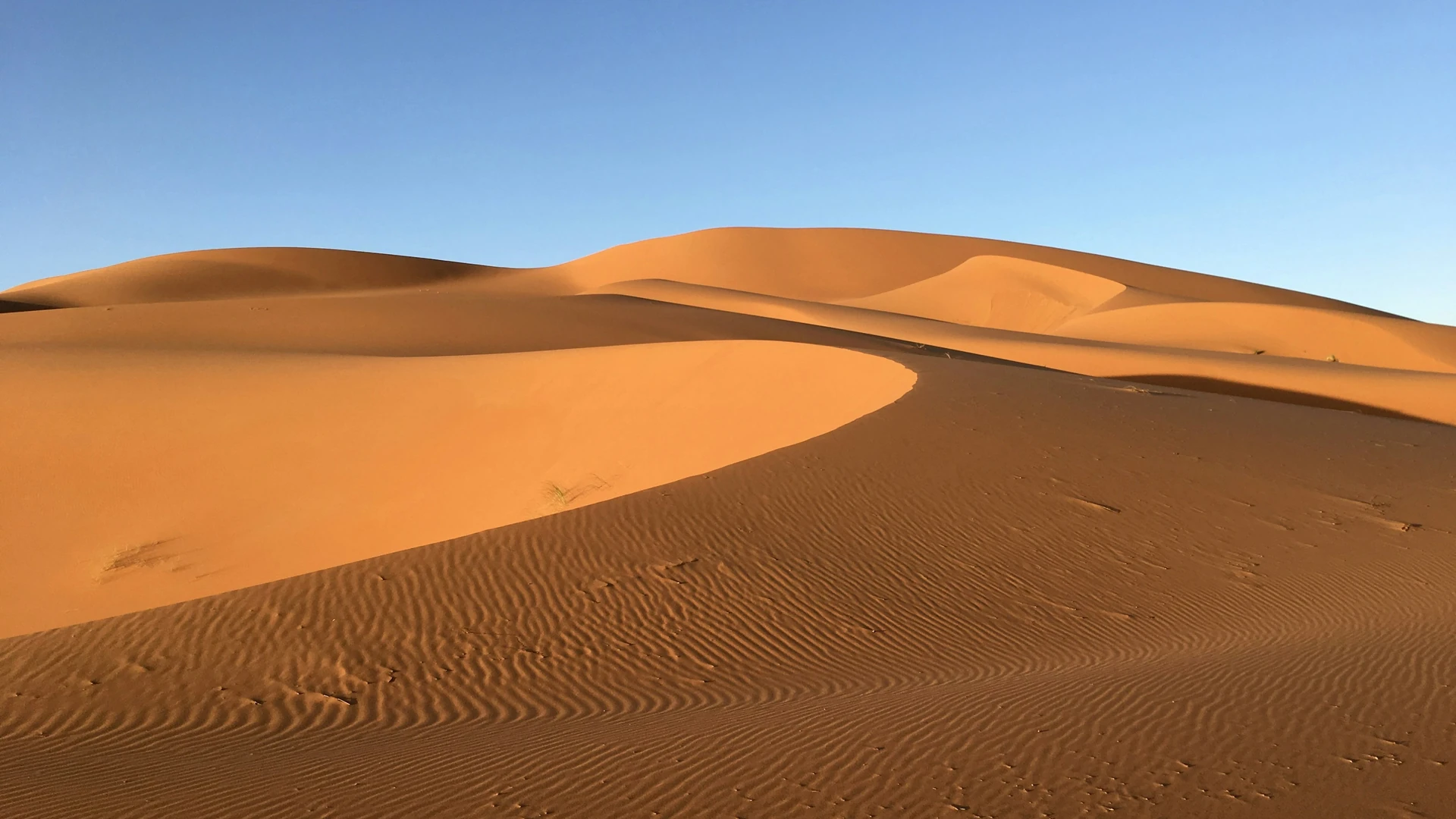
During this period, days most often hover between 20°C and 26°C, ideal for walking in the dunes or spending several hours on camelback without suffering from the heat.
Nights remain cool, sometimes genuinely cold in mid-winter, but the right gear makes it a non-issue.
March-April and October-November see the highest visitor numbers, logically, since they are also the most pleasant months for most travellers.
It is also the period when the desert colours seem most vivid: the sand keeps its deep ochre without being washed out by midday heat too strong to fully enjoy.
Summer: strong heat, calmer desert
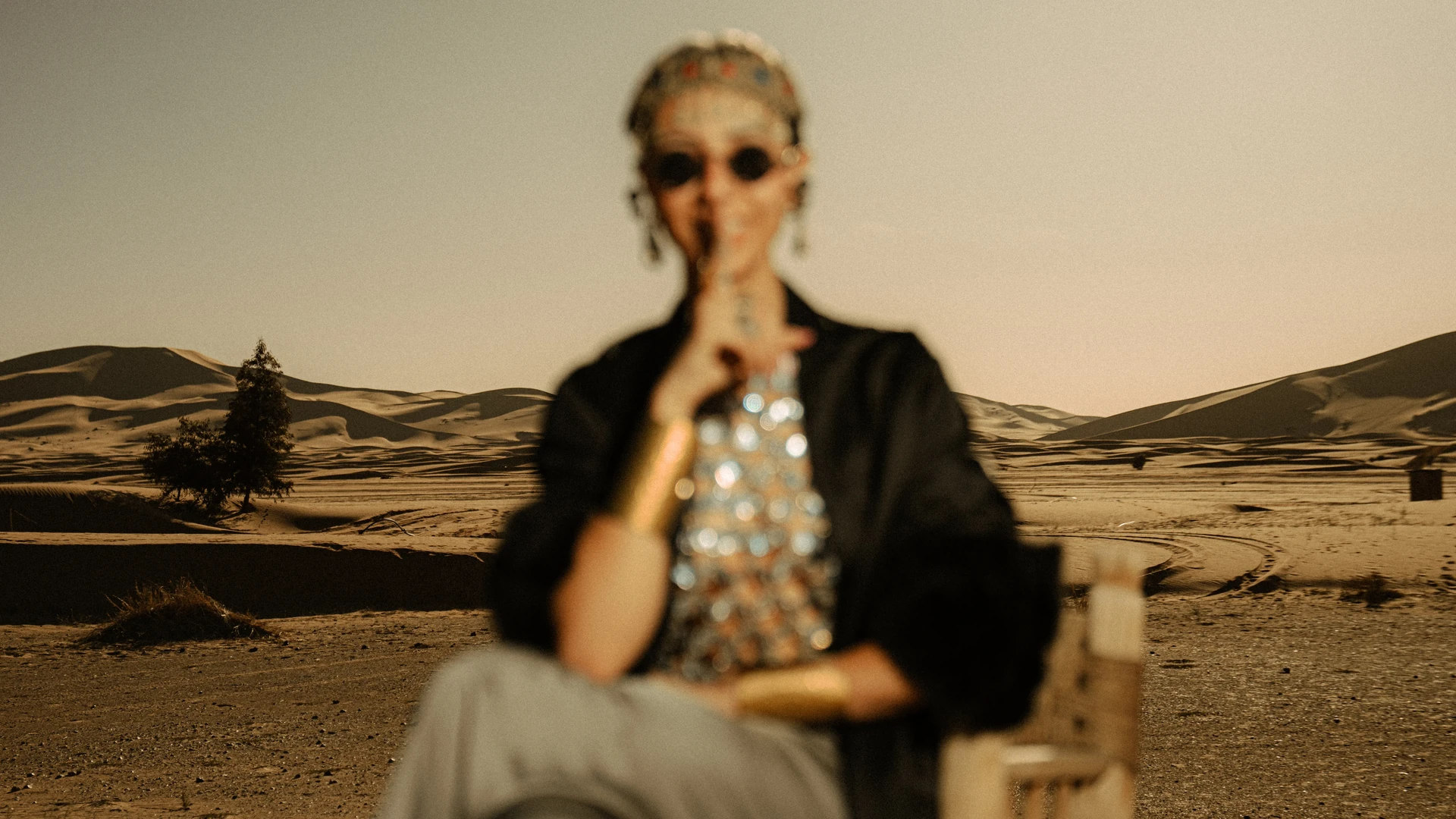
In July and August, the thermometer frequently exceeds 40°C during the day, sometimes 45°C.
This is not a season to underestimate: the heat means limiting activities to the coolest hours, early morning or late afternoon.
In return, visitor numbers drop sharply, and camp nights remain bearable once the sun is down.
For travellers who tolerate heat well and prefer to avoid crowds, summer retains real appeal.
One point not to overlook: the road from Marrakech also crosses exposed areas in summer, and the vehicle's air conditioning becomes an important comfort criterion, not a mere detail.
Winter: mild days, cold nights, very clear skies
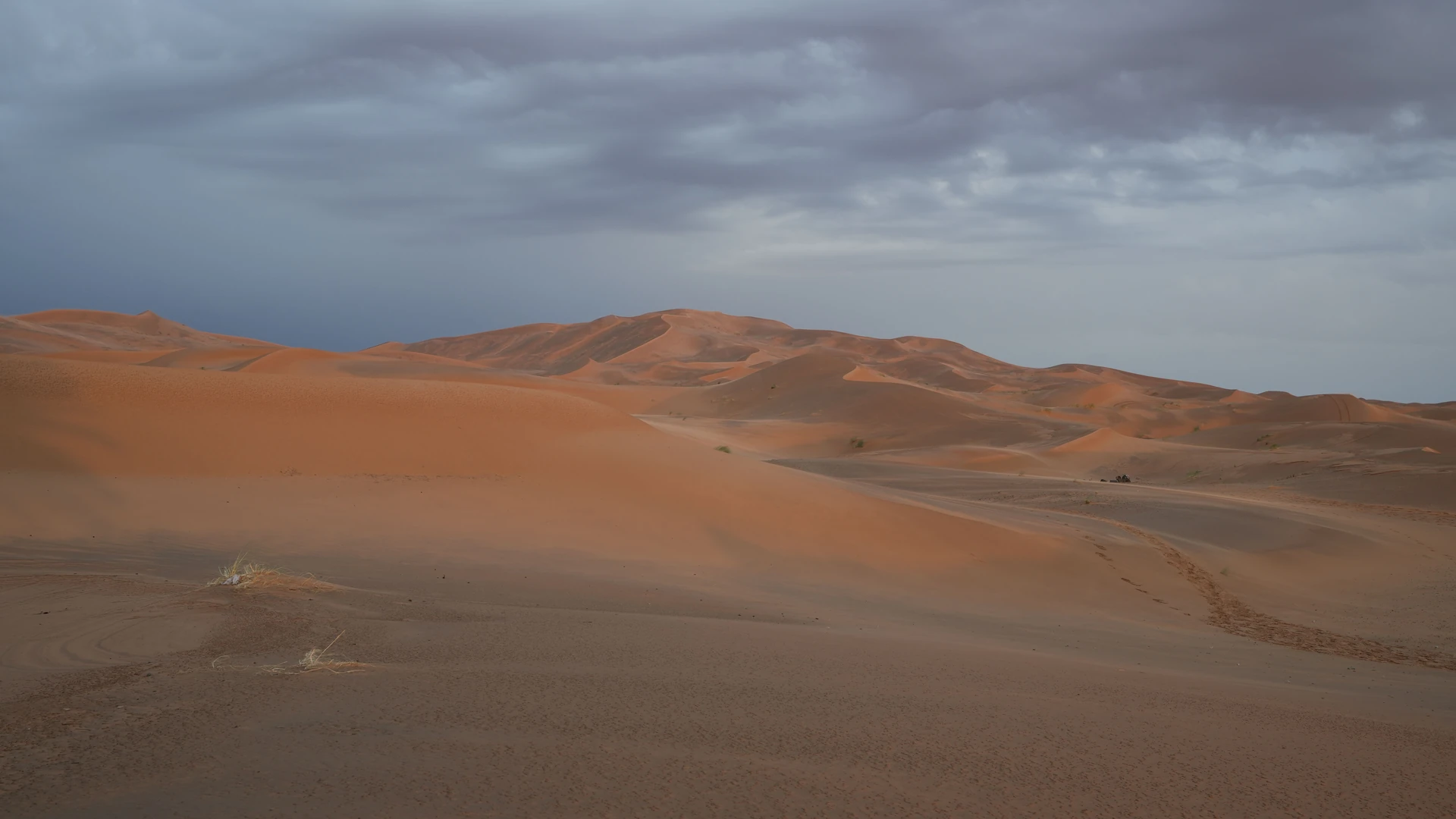
From December to February, days remain sunny and generally pleasant, around 18 to 20°C.
Night changes everything: temperatures can approach 0°C in the dunes, a striking contrast with the afternoon warmth.
It is also often the period when the sky is at its clearest, which directly benefits stargazing from the camp.
A good jacket and an extra blanket are generally enough to make the night comfortable.
Luxury camps, with back-up heating in the tents, further soften this gap for travellers who prefer to take no chances with the cold.
Choosing based on your type of trip
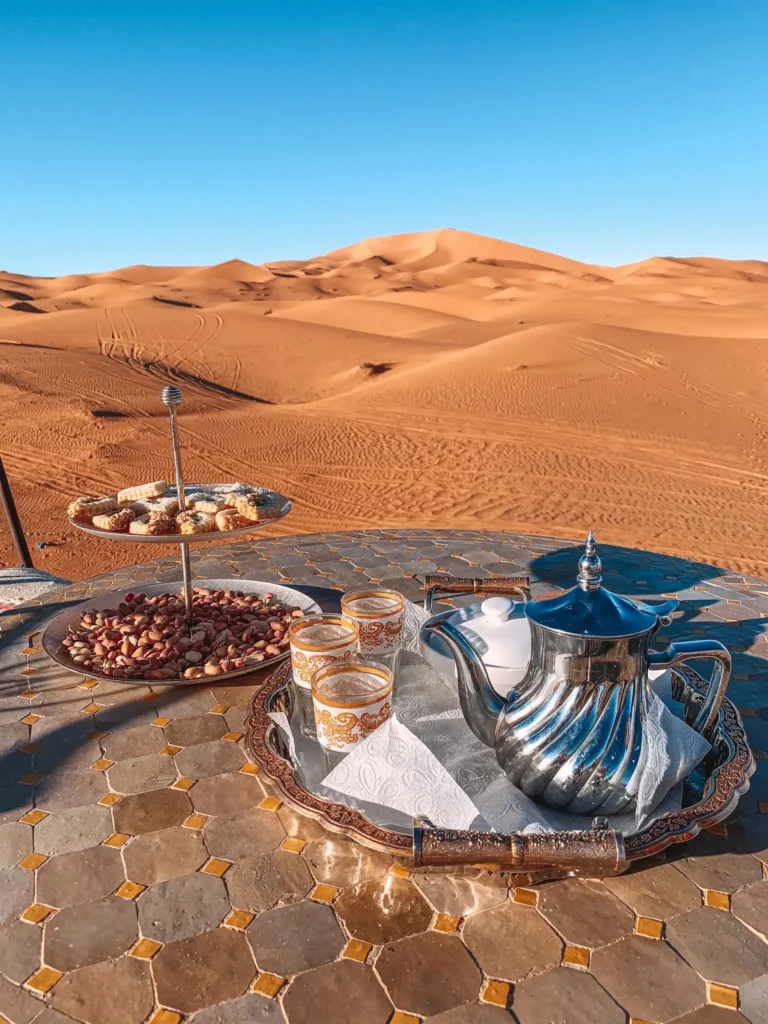
For a first trip with no particular constraints, the October-April window remains the safest choice.
If you are travelling with young children, favour spring or autumn to avoid temperature extremes, day and night.
If photography or night-sky observation is your main goal, winter has a clear advantage thanks to its atmospheric clarity.
To plan your journey based on the season you choose, our Marrakech-Merzouga itinerary page details the road stages, and the Moroccan National Tourist Office website publishes regional climate data useful for refining your departure date.
What to pack depending on the season
The gear mainly changes for the night; the day remains manageable with regular clothing whatever the time of year.
In summer, favour loose, light clothing, a cap and high-factor sun cream, as daytime heat is the dominant factor to manage.
In spring and autumn, layering remains the best strategy: light clothing for the day, a warmer jacket to bring out from late afternoon.
In winter, the day is manageable with normal clothing, but the night calls for a warm jacket, a beanie and ideally an extra blanket for the camp.
Our complete desert packing checklist details item by item what to plan for based on the exact dates of your stay.
When the desert is at its calmest
Visitor numbers in Merzouga closely follow climate comfort.
March-April and October-November, already identified as the most pleasant months, are also logically the most popular, with camps and accommodation filling up faster.
July-August, despite the heat, remains a noticeably calmer period, which may suit travellers who prefer to avoid crowds and handle high temperatures well.
Winter, outside the European year-end school holidays, also has quieter weeks, with often very clear skies that particularly benefit photographers.
For a traveller torn between comfort and tranquillity, this calculation is worth making before setting a date, rather than choosing solely based on average temperature.
Practical tip
Whatever season you choose, always bring a warm layer for the night: even in the height of summer, the temperature drop after sunset often catches underprepared travellers by surprise.
Book Your Merzouga Tour on WhatsApp
Pick-up directly from your hotel in Marrakech.
No deposit required in advance.
Chat & Book Your Stay