
Knowing when to visit Merzouga makes all the difference between an unforgettable trip and an experience ruined by crushing heat or bitterly cold nights.
This guide details the best time month by month, seasonal temperatures and practical tips for making the most of the Erg Chebbi dunes, whether you travel in spring, summer, autumn or winter.
Located in south-eastern Morocco in the historic Tafilalet region, Merzouga is world-famous for its giant dunes rising to over 150 metres.
The climate is continental desert, with large temperature swings between day and night, and marked differences across the seasons.
To plan your journey to the desert, also check the detailed weather on our Merzouga weather page.
When to visit Merzouga: a seasonal overview
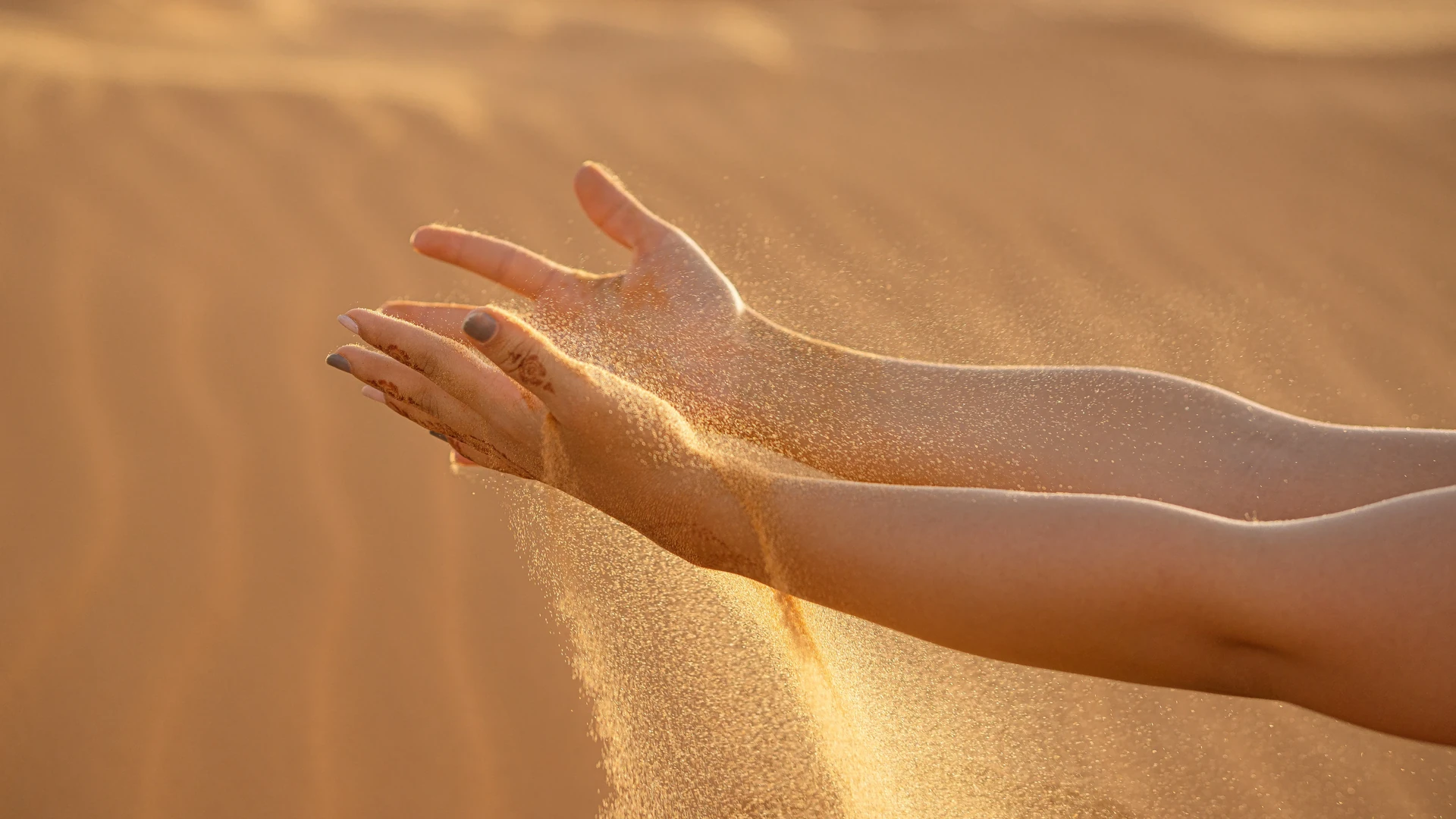
The Merzouga desert and the vast Saharan erg of Erg Chebbi experience an extreme desert climate, with strong seasonal variations.
Spring (March to May) and autumn (September to November) form the best time to visit Merzouga, with days between 22°C and 30°C and cool but not freezing nights.
Summer (June to August) brings crushing heat often exceeding 42°C, while winter (December to February) offers mild days but nights that can drop below 5°C in the dunes.
Every season has its advocates: photographers often prefer winter for the low-angle light and clear skies, while families favour spring and autumn for overall comfort.
Whenever you choose to go, layered clothing remains essential to cope with the temperature swings between day and night.
When to go to Merzouga month by month
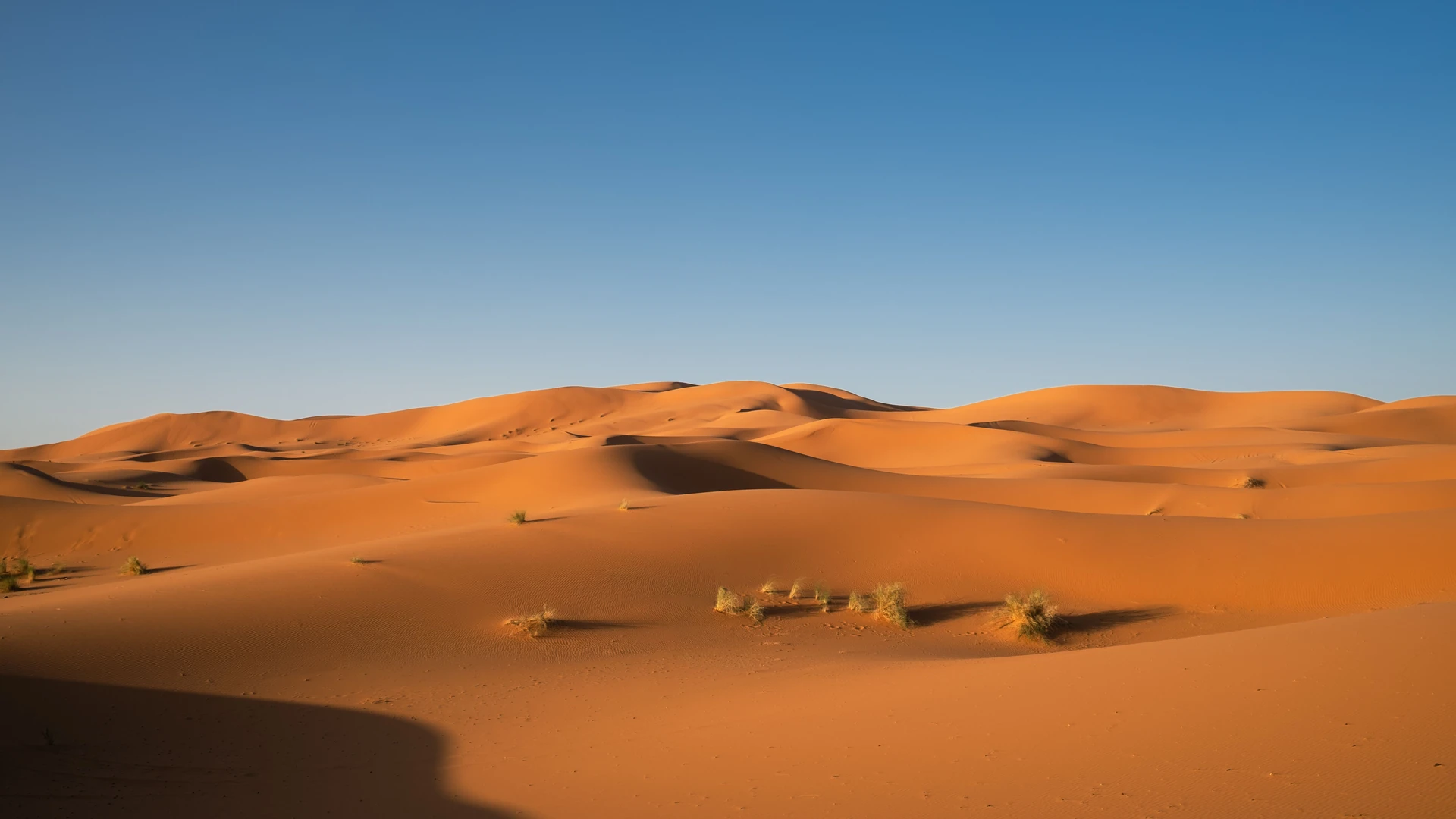
October and November mark the return of pleasant temperatures after summer, with days around 25-28°C, perfect for camel rides and desert camps.
December to February remain fine during the day (18-22°C) but require warm clothes at night.
March and April rival autumn as the most sought-after months, between mild daytime temperatures and still-cool nights.
May heralds rising temperatures, and from June to August daytime heat becomes barely tolerable for hiking or walking in the dunes.
To plan your complete itinerary to the desert, a 3-day Marrakech-Merzouga tour adapts to every season, with stops adjusted to the weather and the coolest hours of the day.
These seasonal variations are consistent with the climate data for southern Morocco published by the national tourist office (visitmorocco.com).
Temperatures by season in Merzouga and Erg Chebbi
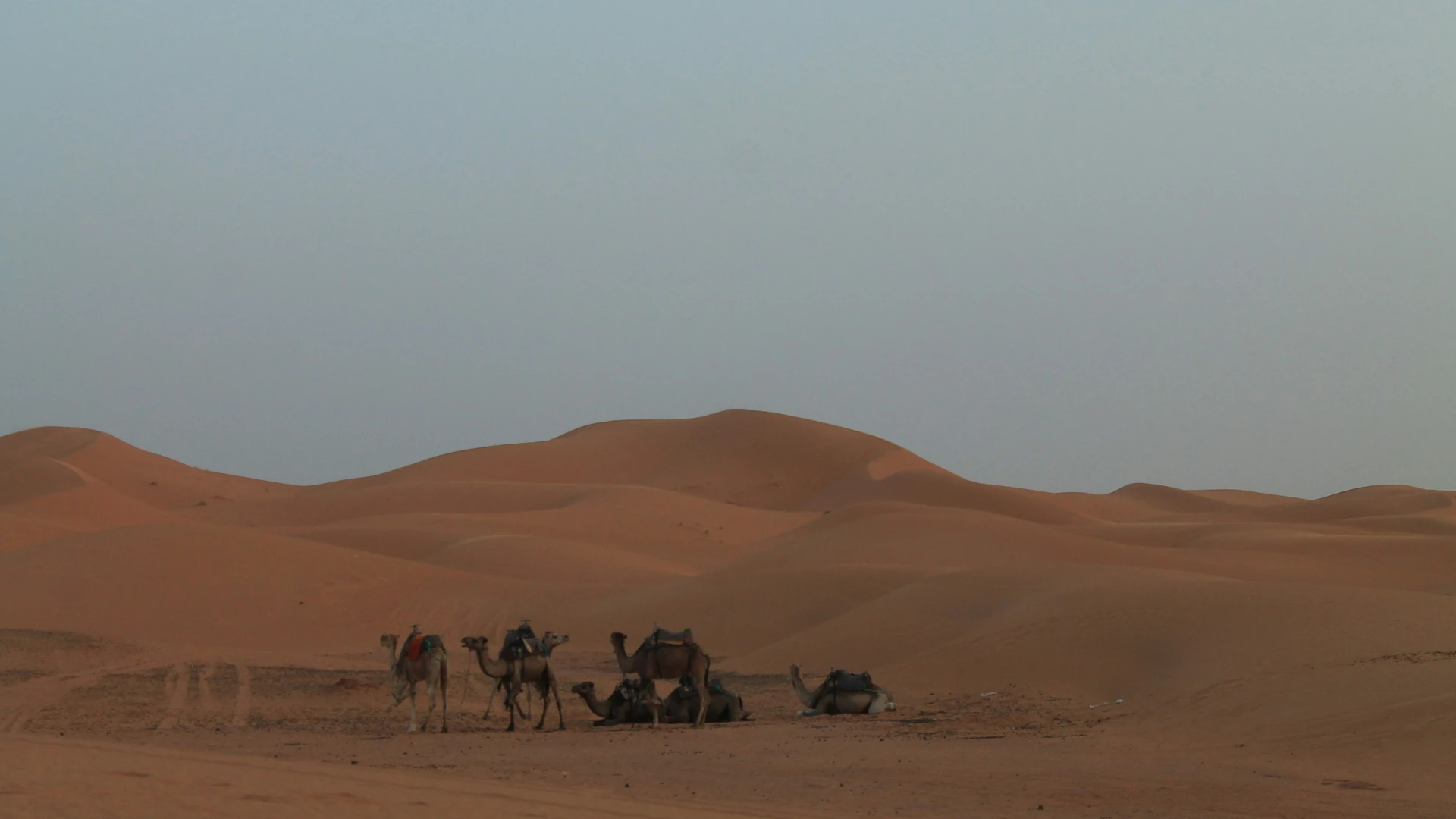
The Saharan climate of Merzouga is characterised by strong daily temperature swings.
In summer, the mercury regularly climbs to 42-45°C in the afternoon, while nights stay warm at around 25-28°C.
In winter, days hover between 15°C and 20°C but nights often fall to between 3°C and 8°C, sometimes close to 0°C deep in the desert.
In spring and autumn, the range is more moderate: days at 22-30°C and nights at 12-16°C, a comfortable balance for exploring the dunes.
Best time for the camel ride and sunset on the dunes
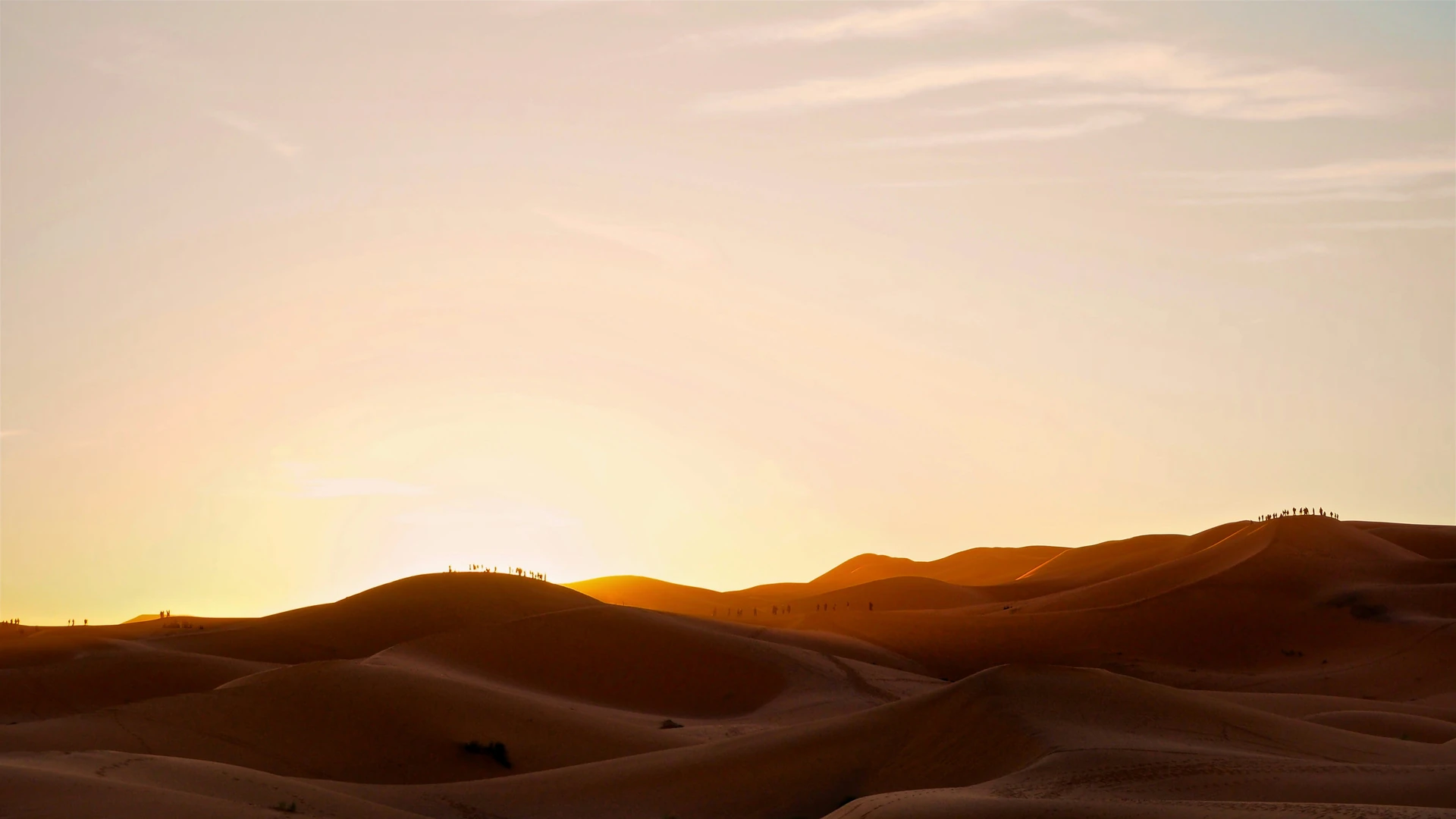
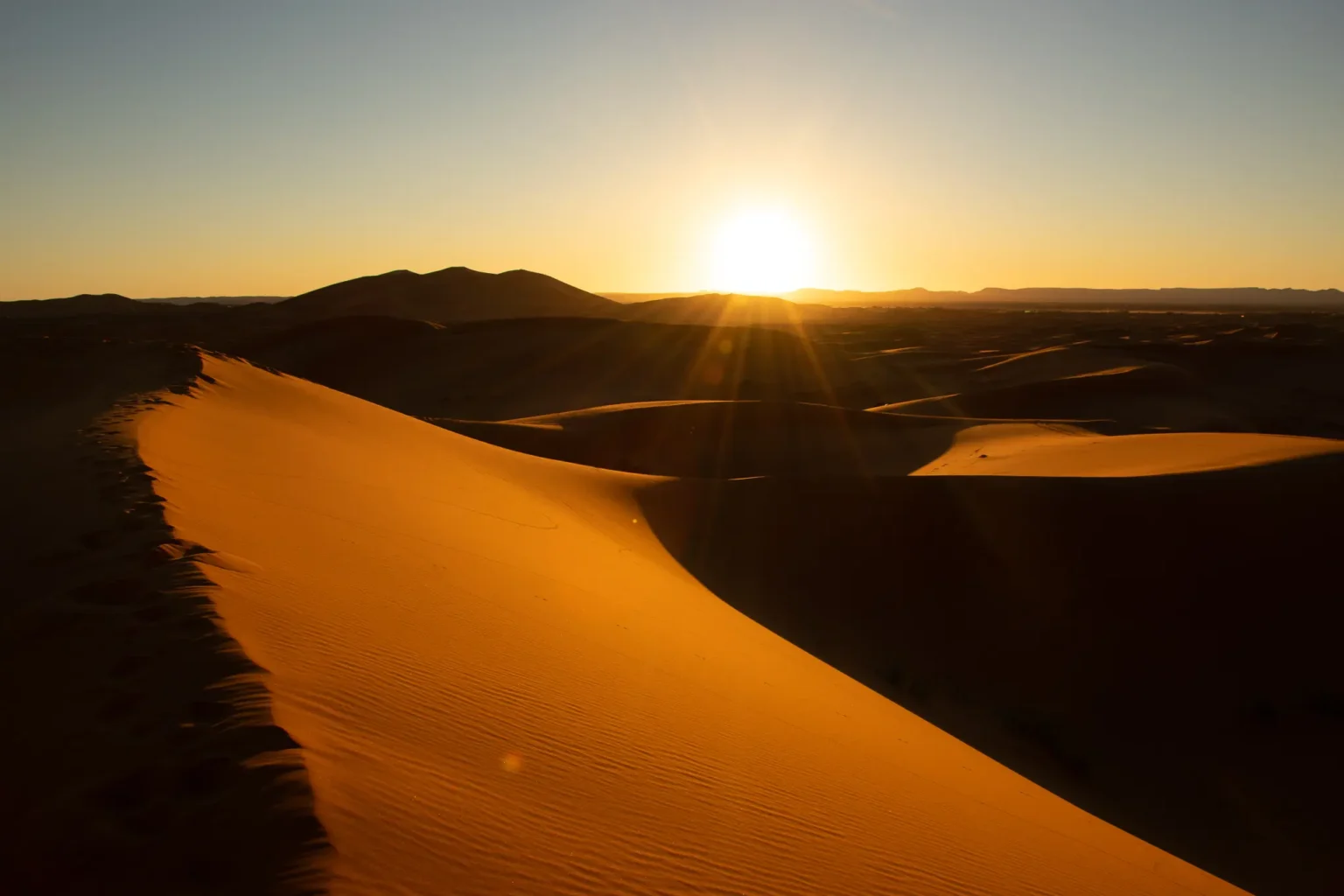
Whatever the season, the camel ride to the desert camp always takes place in the late afternoon, between 4.30pm and 6.30pm depending on the time of year, to make the most of the low-angle light and the relative cool.
From October to April, the walk to the top of the dunes remains pleasant even at midday.
In summer, however, it is better to limit physical effort to the cooler hours, early morning or just before sunset, to avoid heatstroke on the Erg Chebbi sand.
To experience this moment in the best conditions, booking a private excursion to Merzouga from Marrakech lets you freely adjust departure times according to the season and the day's heat.
How to avoid the summer heat peak in Merzouga
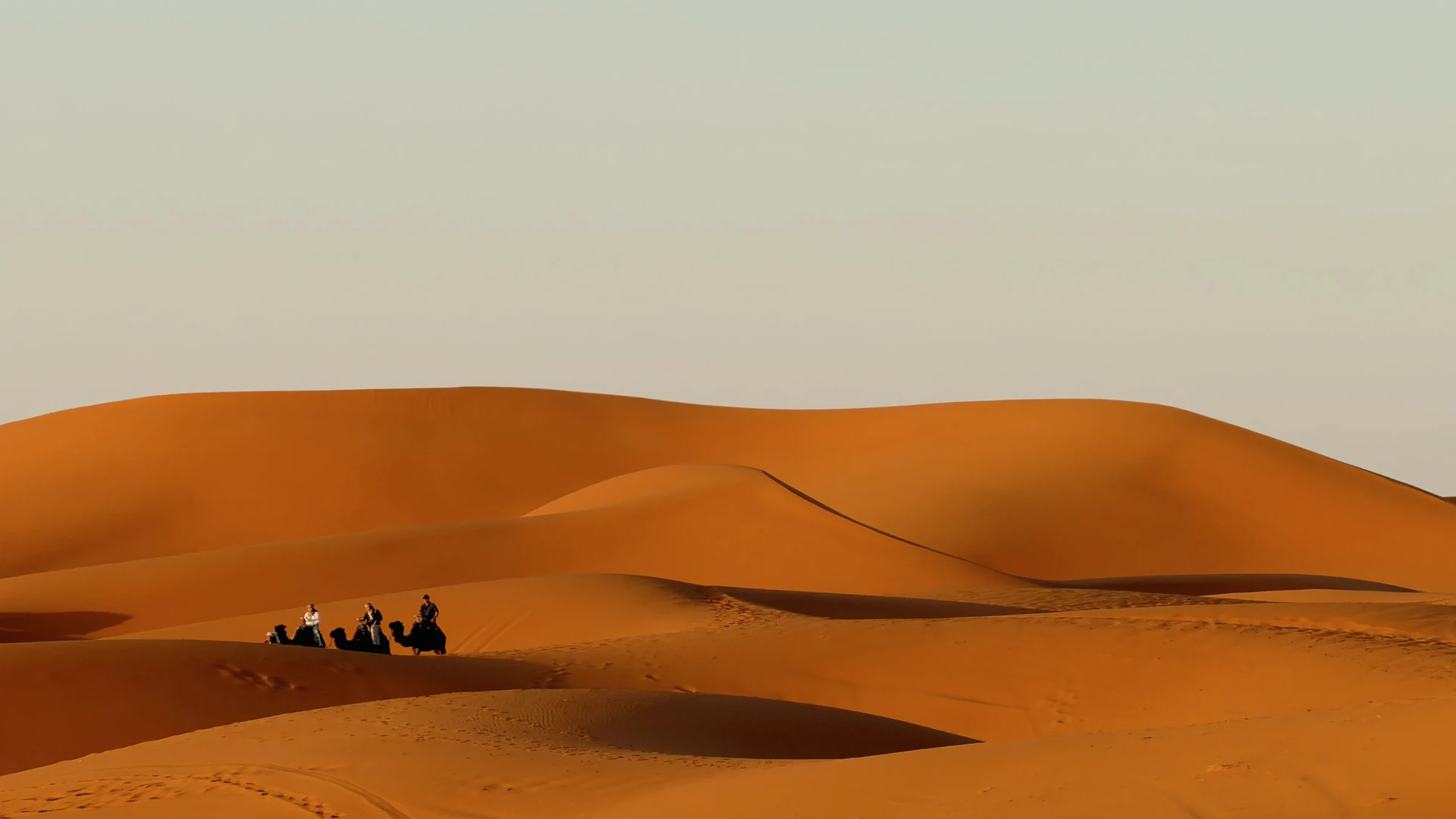
From June to August, Merzouga and Erg Chebbi are among the hottest areas in Morocco, with daytime temperatures regularly exceeding 45°C in the height of summer.
To visit the region at this time, it is advisable to schedule activities early morning or late afternoon, stay hydrated at all times and choose a desert camp with air-conditioned or well-shaded tents for the afternoon rest.
Prices are generally lower and sites less crowded, an interesting compromise for travellers who tolerate the heat.
Low season in Merzouga: fewer crowds, better prices
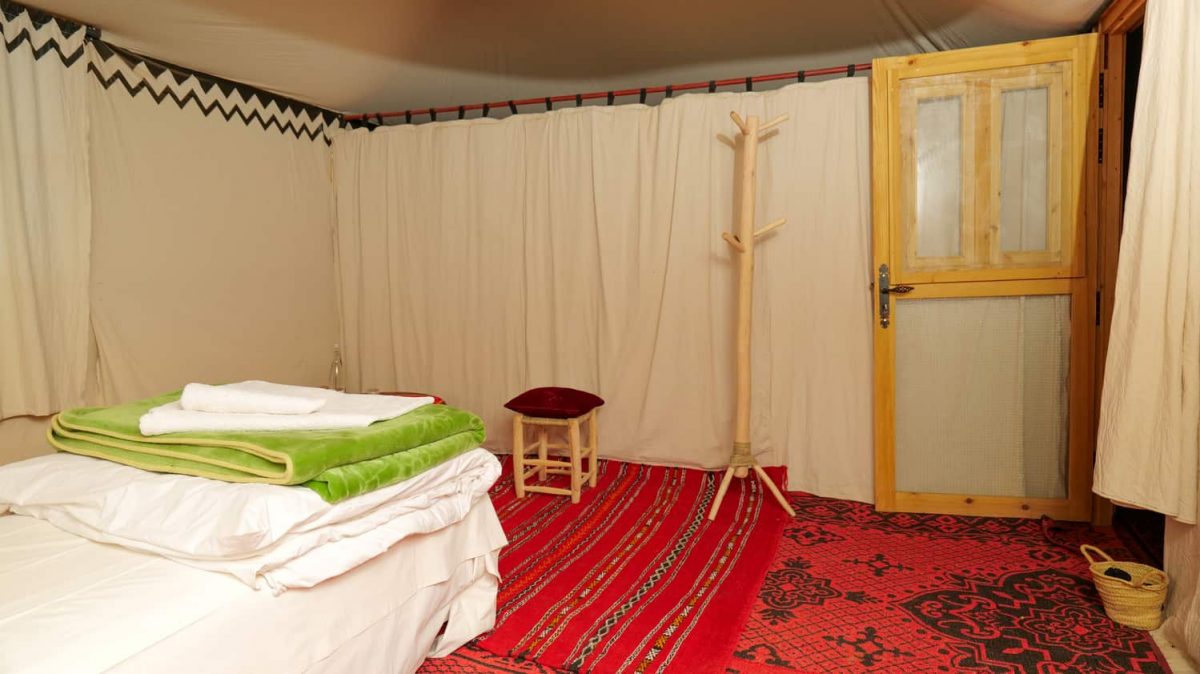
Travelling outside the peak months (March-April and October-November) offers real advantages for those seeking peace and quiet.
In summer and mid-winter alike, desert camps offer more attractive rates and the Erg Chebbi dunes are noticeably less busy, allowing photos with no other traveller on the horizon.
Low-season tours are also easier to book, often with just a few days' notice, unlike high season where advance planning is recommended.
To refine your budget according to the season you choose, see our dedicated guide to the budget for a trip to Merzouga, which details the price differences between high and low season.
Practical tip
To make the most of when to visit Merzouga, plan your stay between October and May.
Remember to bring a cotton cheche to protect yourself from sand wind, warm clothes for Saharan nights and a power bank to charge your cameras under the Milky Way.
Book Your Merzouga Tour on WhatsApp
Instant confirmation with no deposit required in advance.
Pick-up from your hotel.
Book Your Stay