
Three days, two nights, and one simple idea behind the programme: don't reduce the route between Marrakech and the Sahara to a simple transfer.
The High Atlas, the mud-brick kasbahs, the red gorges — all of it is part of the journey, not just the dunes at the end. Here is the exact programme, day by day, with what really changes depending on the option you choose.
Day 1 — Marrakech, the High Atlas and Ait Ben Haddou
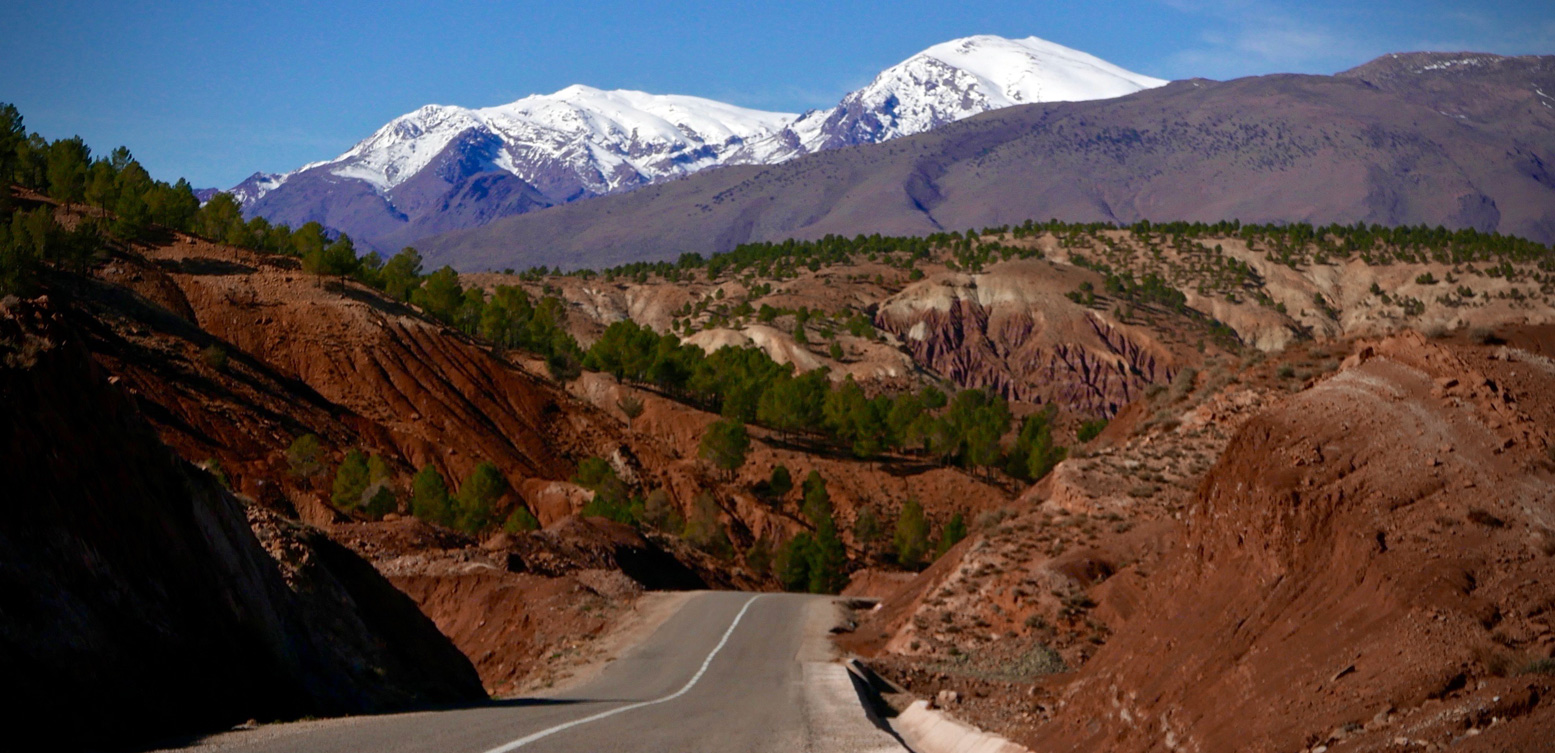
Early departure, around 7am, directly from your hotel in Marrakech.
The road climbs quickly towards the Tizi n'Tichka pass, at 2,260 metres above sea level — the most spectacular crossing of the High Atlas, with regular photo stops on the mountain switchbacks.
First major stop: the Ksar of Ait Ben Haddou, a fortified mud-brick village listed as a UNESCO World Heritage Site, known for having served as a backdrop for several international film shoots.
The day ends at the Dades Gorges, with an overnight stay in a guesthouse and a traditional dinner included.
Between Ait Ben Haddou and the Dades Gorges, the road also passes through Ouarzazate and its surrounding area, often nicknamed the gateway to the desert, as well as the Valley of Roses, known for its rose fields cultivated on the mountainside.
These intermediate stops add little to the journey time but completely change the landscape you cross during the afternoon.
Day 2 — Todra Gorges to the Merzouga Dunes
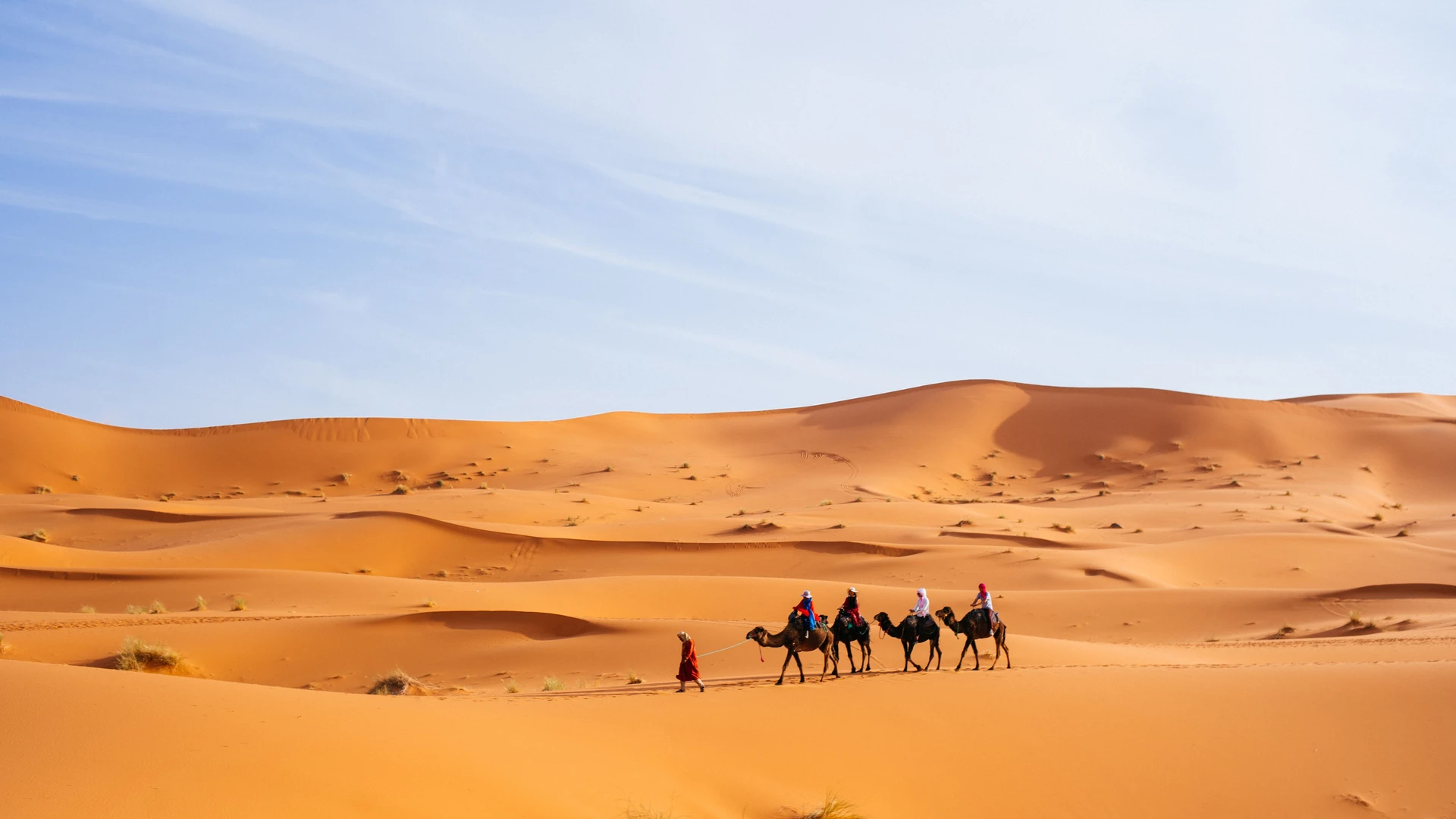
The landscape changes entirely on this day.
The morning is devoted to the Todra Gorges, limestone cliffs over 300 metres high, before the road crosses the Tinghir palm grove and the stony plain leading towards Erfoud.
Arrival at the Erg Chebbi dunes is in the late afternoon, just in time for the camel ride at sunset.
A Berber dinner and music around the campfire precede the night in a desert camp — the highlight of the tour for most travellers.
This second day has the longest driving time, but also the most dramatic shift in atmosphere: the mountains of day one give way to a mineral landscape, then a genuinely sandy one as Merzouga draws closer.
Day 3 — Sunrise and Return to Marrakech
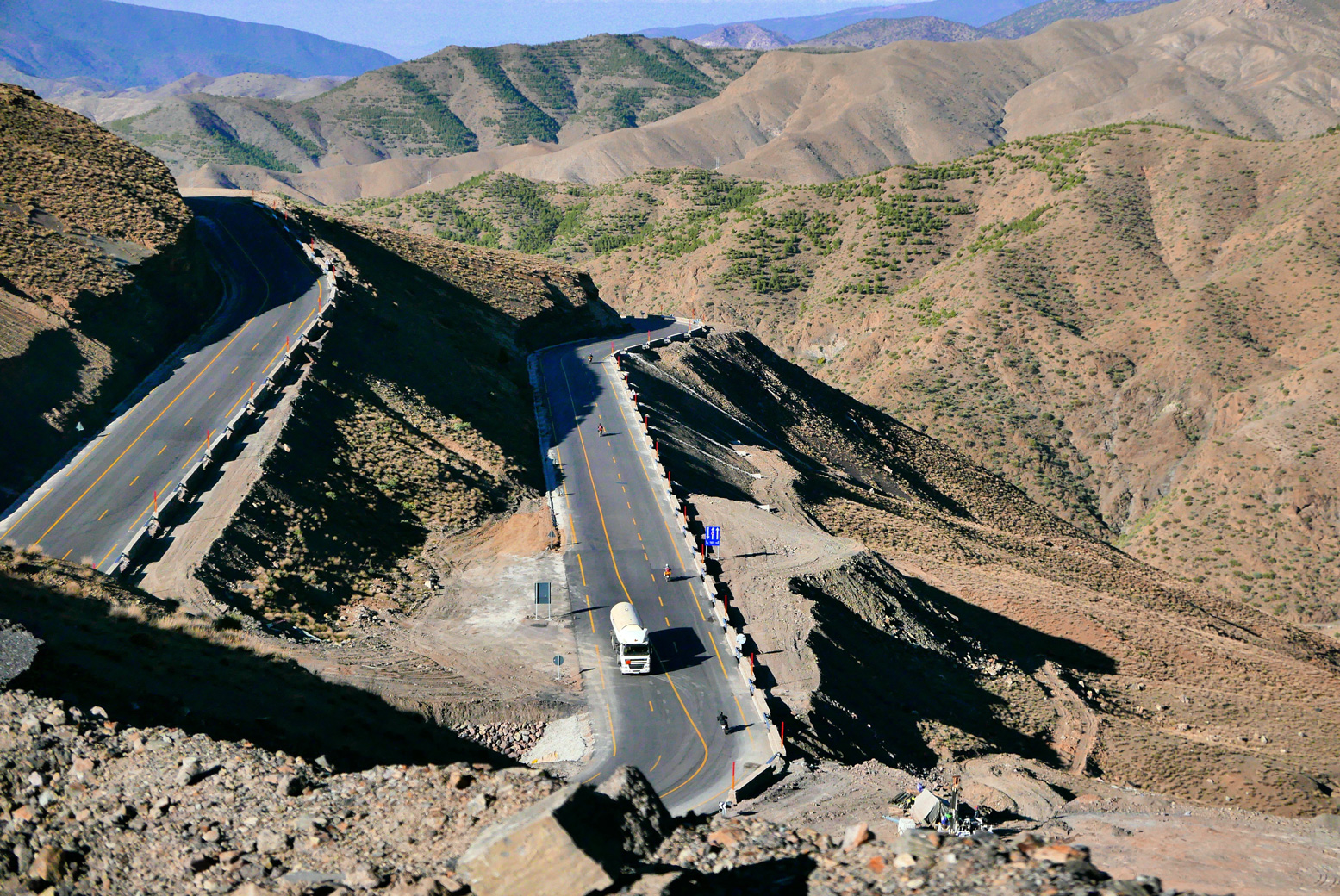
Wake before dawn to admire the sunrise from the dunes, often cited by travellers themselves as the most memorable moment of the trip.
Breakfast at the camp, then return by camel to the starting point.
The return road to Marrakech passes through Ouarzazate again, with an evening arrival expected.
For travellers who prefer to break up the journey further, our 4-day tour adds a full extra day on site, without changing the price of the main overnight stays.
What are the prices and options for this tour?
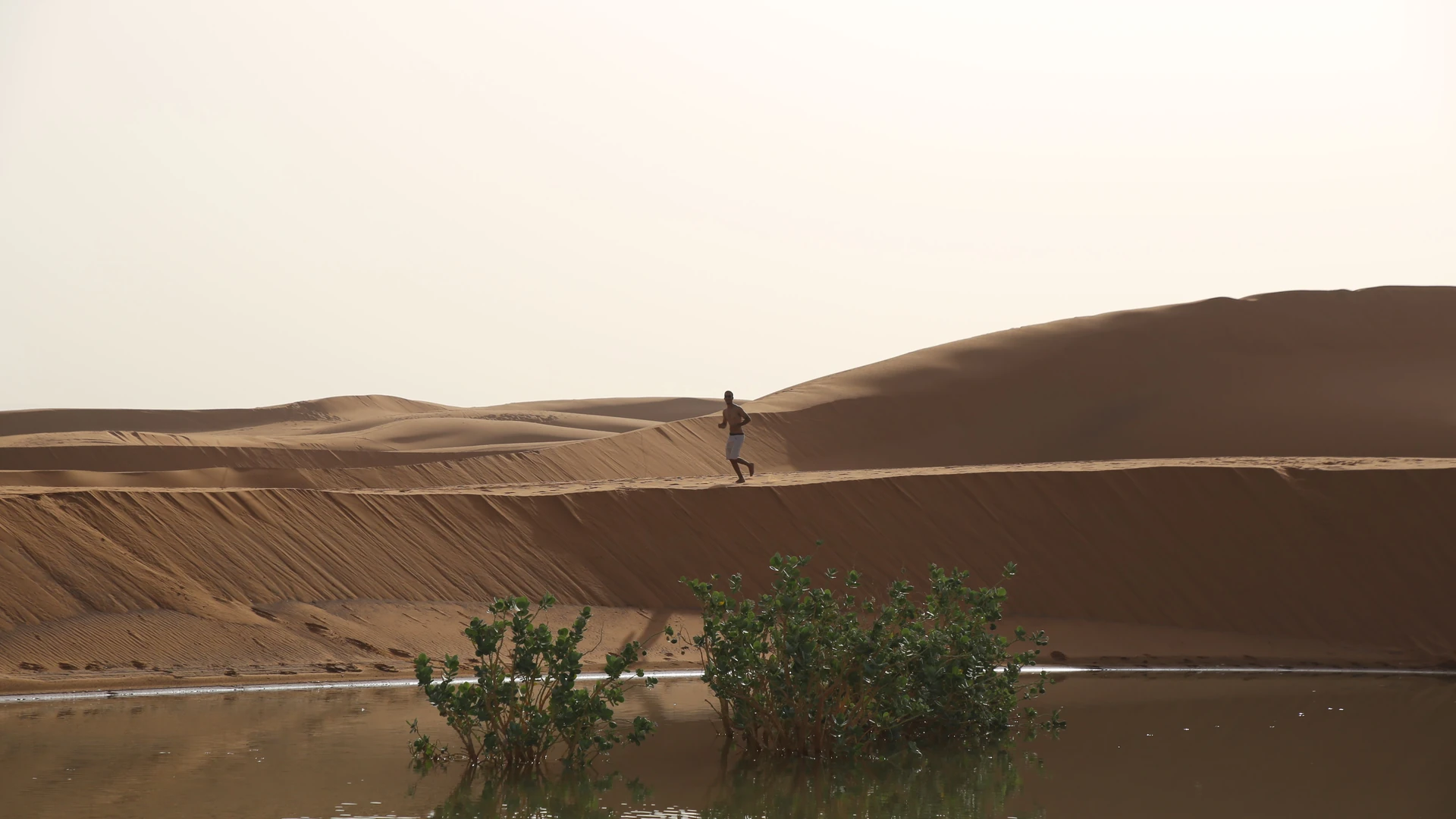
Three options, one itinerary: 80 € standard, 110 € comfort, 180 € luxury, per person.
The difference lies in the comfort of the overnight stays — shared room or tent on the standard option, more privacy and services on the luxury option.
In all three cases, the programme remains the same: same stops, same visits, same camel ride duration.
According to visitor statistics published by the Moroccan National Tourist Office, this three-day format remains the most popular for a first encounter with the Moroccan Sahara from Marrakech.
The success of the 3-day format is no coincidence: it corresponds to the minimum duration that allows a real night in the dunes while remaining compatible with an overall stay of a week or less in Marrakech.
Are 3 days really enough?
The question comes up often, and the honest answer depends on what you are looking for.
To discover the Moroccan Sahara for the first time, see the High Atlas landscapes, spend a night in the dunes — three days cover the essentials without leaving you feeling you spent more time on the road than in the desert itself.
If you want to explore Merzouga itself more — the village of Khamlia and its gnawa music, the Rissani market, a second night in a desert camp — the 4-day option adds that breathing room without disrupting the rest of the programme.
The choice ultimately comes down to a question of pace: prefer a dense overview, or a trip that breathes more once you arrive.
What doesn't the programme always show?
An itinerary written on paper never fully does justice to what travellers actually experience between two stops.
Informal chats with the driver, unplanned stops for a particularly clear view, conversations with other travellers in the same vehicle — all of this is as much a part of the tour as the points listed in the programme.
It is also for this reason that an overly rigid itinerary, timed to the minute, often undermines the experience rather than safeguarding it.
A good tour keeps some breathing room, however modest, so that the road remains a real part of the journey rather than a constraint to absorb between two points of interest.
It is precisely this breathing room, hard to pin down on a written programme, that distinguishes a trip experienced as a real journey from a simple chain of transfers from point A to point B.
What does this tour mean for a solo traveller, a couple or a family?
The tour works well for all types of travellers, but the choice between shared group and private option deserves some thought.
A solo traveller makes the most of the shared group, often a chance to meet other people on the road.
A family with young children, on the other hand, will benefit from a more flexible option in terms of timings, so breaks can be adapted to the little ones' pace without imposing that pace on the rest of the shared group.
A couple often finds what they are looking for in either option: the shared group for its convivial atmosphere, the private option for privacy.
The choice depends above all on what each person is looking for in this particular trip, rather than on a universal rule that applies to everyone.
Practical tip
Pack comfortable clothes for the road — vehicle journeys make up a good part of the programme, even though each day includes several stops and visits.
The Complete 3-Day Tour Programme
Rates per option, availability and direct WhatsApp booking with no deposit.
See the 3-Day Tour