
A 4-day tour to Merzouga is not simply "a 3-day tour with an extra day" — it is a different travel pace.
The extra night changes where it falls in the journey, how much time each stop has to breathe, and what becomes possible to visit without rushing.
This guide breaks down the 4 days step by step.
What does an extra day actually change?
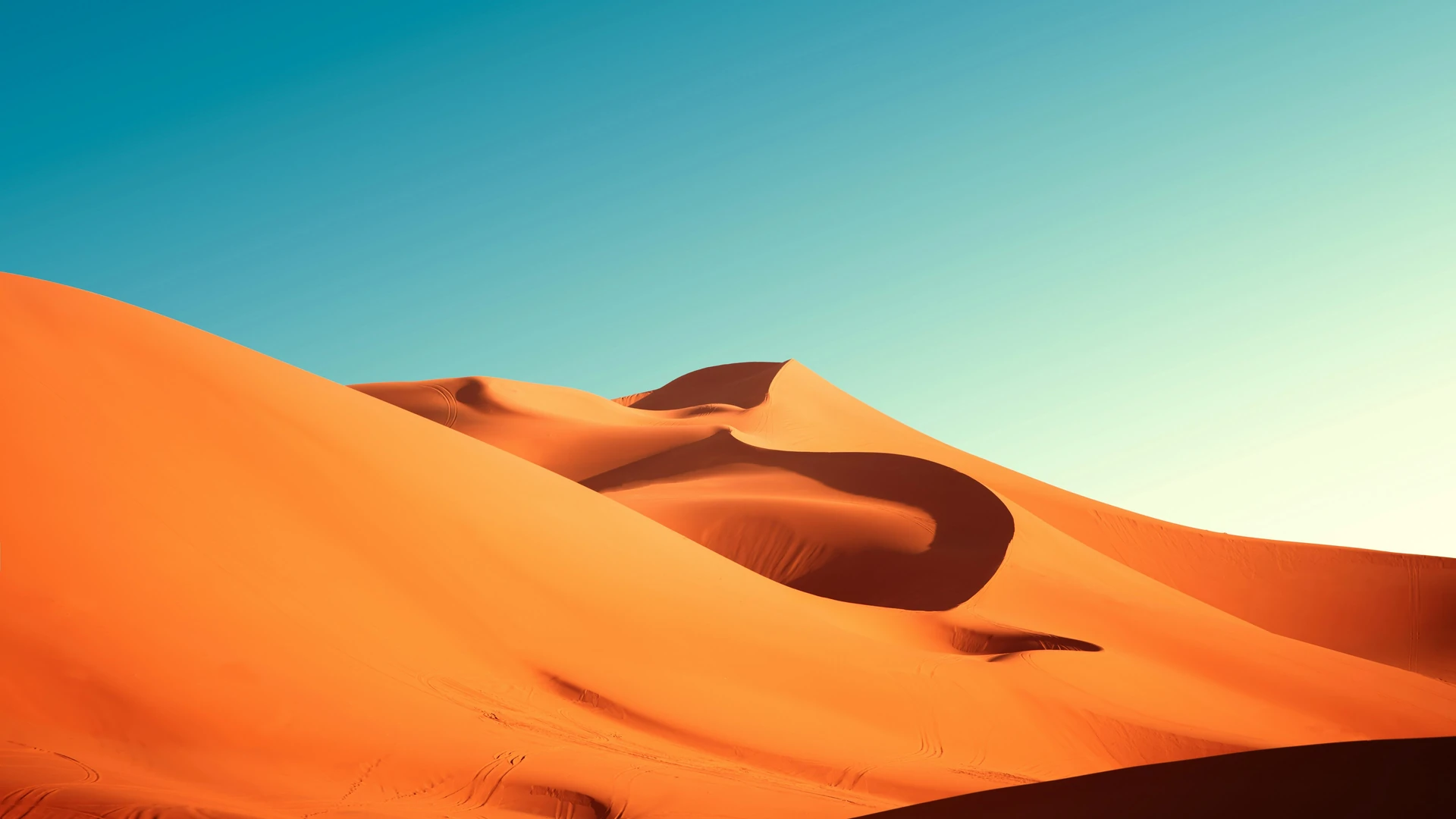
The classic 3-day format means two consecutive long drives: Marrakech to Merzouga in a single day on the way out (with brief stops), then an equally condensed return.
The 4-day option spreads things out differently: an overnight stop in Ouarzazate or the Dades valley before reaching Merzouga, which reduces each day's drive to a more reasonable length.
In practice, this means fewer hours on the road each day and more room to actually stop, rather than rushing through sites with a quick photo from the vehicle window.
The full Marrakech-Merzouga journey covers around 560 km, with winding mountain roads for a good part of the route.
On a 3-day format, this distance is swallowed in a single day, leaving little margin for the unexpected: a late departure, an extended stop, or simply wanting to linger a little longer at a site.
The 4-day option absorbs these hiccups without throwing the rest of the programme off course.
This extra margin is particularly welcome for families with children or travellers unused to long vehicle journeys: splitting the drive over two days rather than one noticeably reduces the fatigue built up before even reaching the desert.
Day 1: Marrakech, Tizi n'Tichka and Ait Ben Haddou
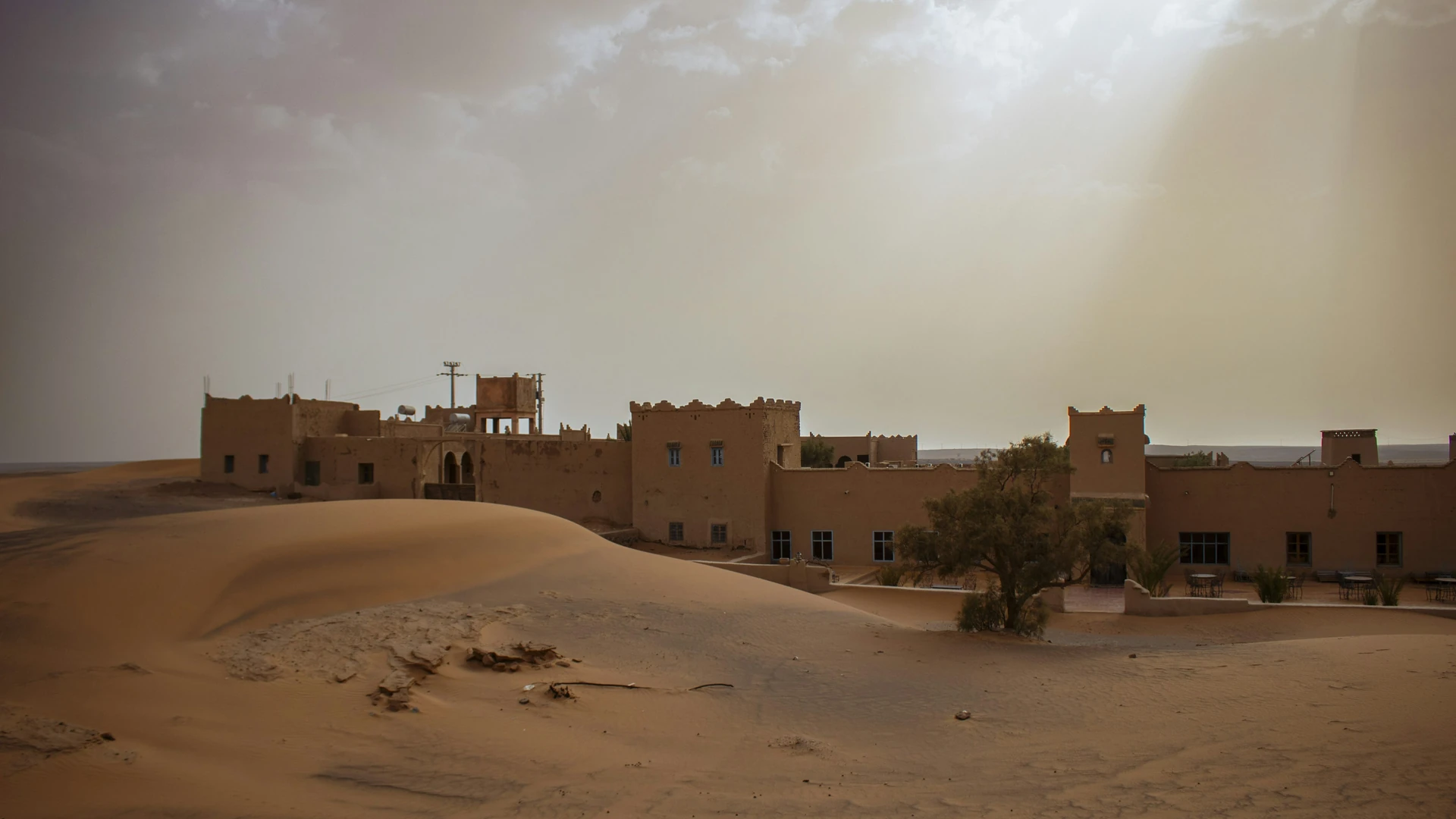
Early departure, crossing the Tizi n'Tichka pass (2,260 metres above sea level) in the High Atlas, then a stop at the Ksar of Ait Ben Haddou, a fortified village listed as a UNESCO World Heritage Site.
Overnight stop in Ouarzazate.
On a 3-day tour, this stop is often limited to 20–30 minutes.
On a 4-day tour, nothing prevents you from spending a full hour here with a proper guided visit of the ksar.
Climbing to the top of the citadel gives you a panoramic view over the Ouarzazate valley and the mud-brick construction technique that made this site famous, including among several international film productions shot on location.
Ouarzazate itself, often nicknamed the gateway to the desert, rounds off this first day with its film studios and evening market.
Day 2: Valley of Roses, Dades and Todra Gorges
The road continues east along the Valley of Roses, then the Dades Gorges and the Todra Gorges, two canyons with very different atmospheres.
The limestone cliffs of Todra, over 300 metres high, offer a particularly memorable walk.
Overnight stop near Erfoud or Rissani, a few dozen kilometres from Merzouga — a position that allows an early arrival at the dunes the next morning, before the strongest heat of the day.
The road on this second day also passes through the Skoura palm grove and the Valley of Roses, where roses cultivated on the mountainside offer an unexpected contrast with the surrounding aridity, particularly striking in spring during the flowering season.
Erfoud, the last town before Merzouga, is known for its marine fossil deposits visible in the local rock.
Day 3: Erg Chebbi and overnight in a desert camp
Arrival at Erg Chebbi in the late morning or early afternoon, with time to rest before the camel ride at sunset.
Overnight in a desert camp in the dunes, campfire and Berber music.
It is precisely this less hurried arrival that sets the 4-day option apart: on a tight 3-day tour, travellers sometimes reach the camp exhausted after a long day on the road, with less energy to fully enjoy the evening.
At the top of the dunes, the sunset sets the horizon ablaze with scarlet and golden hues before night falls over the camp.
Dinner is traditionally served under a Berber tent, followed by singing and percussion around the fire — a moment that remains the same whatever tour format you choose, but which you experience differently depending on how tired you are from the day.
Day 4: sunrise and return
Early rise to watch the sun come up over the dunes, breakfast at the camp, then the return to Marrakech, generally in a single day's drive.
The return remains the longest leg of the tour, whatever format you choose — that is the price of the real distance between Marrakech and the desert, around 560 km.
Some tours offer a variant: taking a different route on the way out and back, for example via the Dades valley in one direction and the direct road through Ouarzazate in the other.
This option avoids seeing the same landscapes twice, at the cost of a slightly longer journey.
3 days or 4 days: how do you choose?
The 3-day option remains the most economical and the most common, suited to time-pressed travellers who mainly want to experience the desert without devoting too many holiday days to it.
The 4-day option is better for those who see the journey itself as part of the trip, not just a transfer to the final destination.
The price difference between the two formats is generally moderate, as the bulk of the cost comes from transport and accommodation rather than from the number of days as such.
The real trade-off is therefore less about budget than about the time available and the desire to travel at a more relaxed pace.
Practical tip
Before choosing between 3 and 4 days, ask exactly where the intermediate overnight stops are — a poorly laid-out 4-day tour (two nights in Merzouga instead of an overnight stop on the road) does not offer the same travel comfort benefit.
The Complete 4-Day Tour Programme
Rates per option, availability and direct WhatsApp booking with no deposit.
See the 4-Day Tour