
What exactly is the Ksar of Ait Ben Haddou?
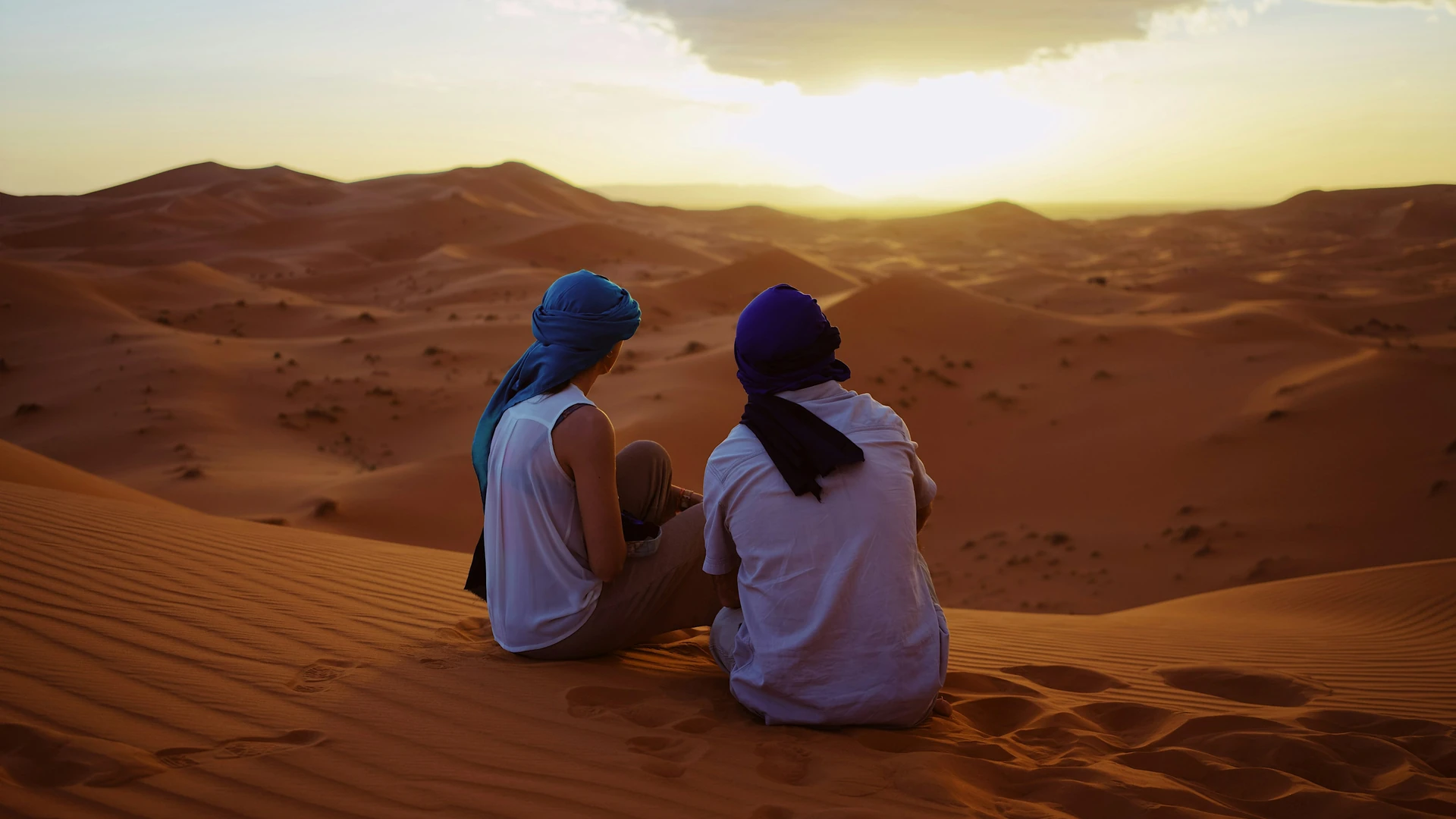
The Ksar of Ait Ben Haddou is a fortified village built in mud-brick (rammed earth) near Ouarzazate, listed as a UNESCO World Heritage Site since 1987.
The term "ksar" refers to a group of fortified dwellings gathered behind shared ramparts — distinct from a kasbah, the fortified residence of a single extended family.
How is rammed-earth architecture built, and why does it remain fragile?
Rammed earth is a mixture of clay soil, water and chopped straw, packed in layers inside wooden formwork until thick, load-bearing walls are formed. It is this technique that gives the Ksar's towers and ramparts their ochre hues, which shift with the light throughout the day.
The downside of this technique: unbaked earth stands up poorly to heavy rain and erosion. The site undergoes regular restoration campaigns, partly funded by film shoot revenues and heritage conservation programmes.
The village also includes an agadir, a fortified collective granary at the top of the hill, where families once stored their harvests and valuables in case of siege — it is the highest point of the visit, with the best view over the Ounila valley.
Why was the Ksar a stopover on the caravan route to Timbuktu?
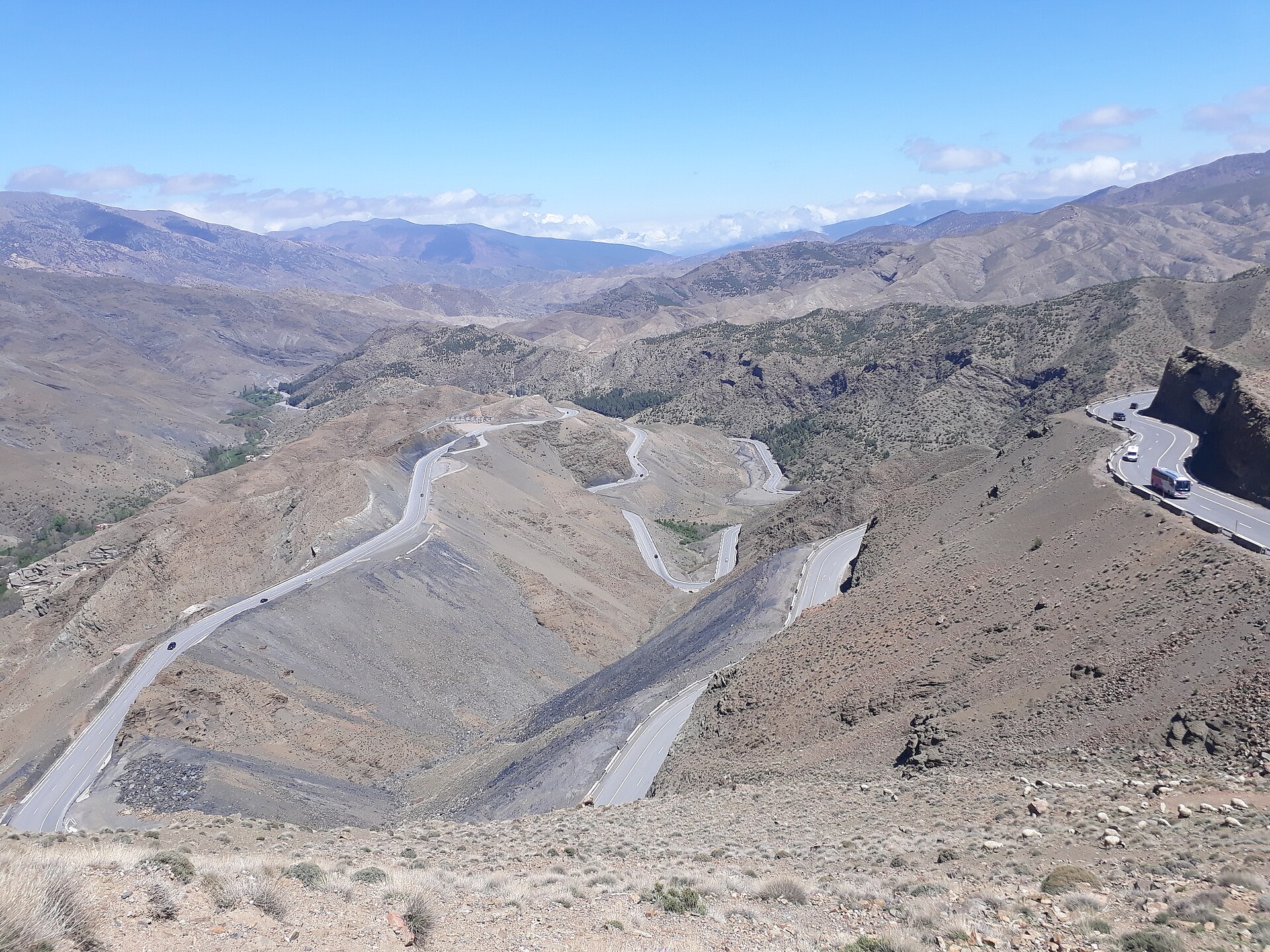
The Ksar stands on the banks of the Ounila riverbed, along an ancient caravan route linking the Sahara to Marrakech — a route used for centuries for trans-Saharan trade (gold, salt, and historically slaves) between sub-Saharan Africa and the Maghreb.
Its position, at the foot of the High Atlas and beside a water source, made it a natural stopover for caravans before climbing the passes towards Marrakech or heading south.
Why has the Ksar been used as a film set for so many movies?
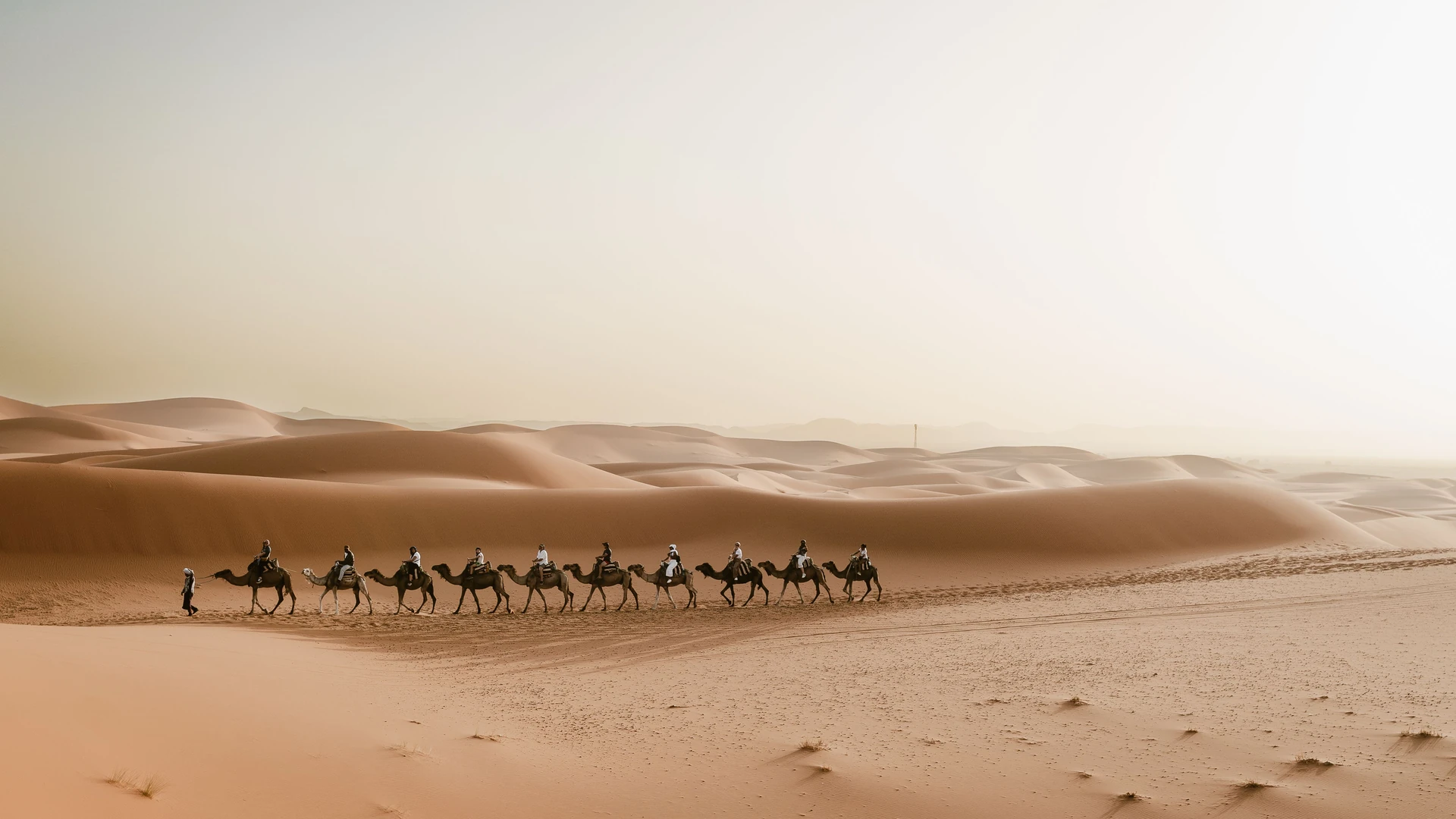
The Ksar's international fame owes much to cinema: Lawrence of Arabia, Gladiator, Kingdom of Heaven and the series Game of Thrones all filmed scenes here, making the most of its intact architecture and its light.
Unlike an artificial film set, the site remains a genuine rammed-earth village, with a few families still living inside the ramparts — which is why some doorways and courtyards remain private homes to be respected during your visit.
How long does a visit to the Ksar take?
- • Duration: 45 minutes to 1 hour 30 on foot through the alleyways, up to the agadir at the summit.
- • Access: cross the Ounila riverbed on foot, using stepping stones or a small footbridge depending on the water level.
- • Guide: the tour's driver-guide accompanies the visit; a local guide on site remains optional and chargeable.
- • On the road to Merzouga: a first-day stop, late morning after the Tizi n'Tichka pass, before Ouarzazate and the Dades or Todra gorges.
On our tours, the Ksar visit fits into the first day of the journey to Merzouga: 3-day tour or 4-day tour. For full details of the route after the Ksar, see our guide to the Route of a Thousand Kasbahs and the Todra and Dades Gorges.
Book Your Merzouga Tour on WhatsApp
Pick-up directly from your hotel in Marrakech.
No deposit required in advance.
Chat & Book Your Stay