
1. Where does the name "Route of a Thousand Kasbahs" come from?
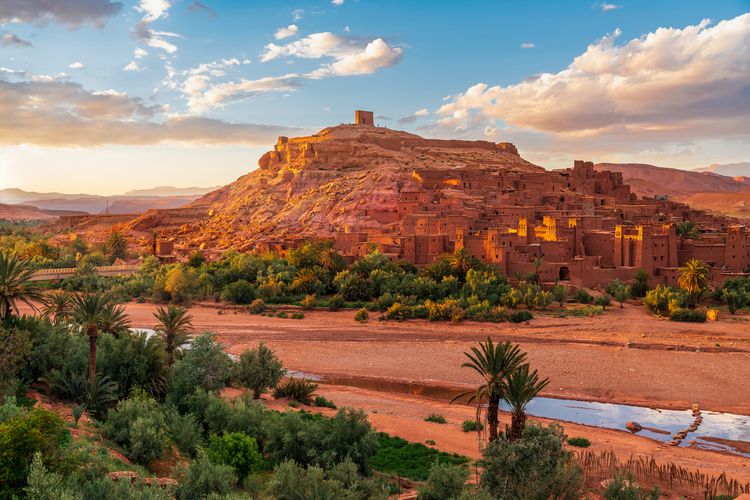
"Route of a Thousand Kasbahs" is a tourist name given to the axis linking Ouarzazate to the Dades valley and beyond, due to the high concentration of mud-brick kasbahs and ksour visible from the road.
The figure "thousand" is a commercial expression rather than an actual count: nobody has precisely counted the kasbahs on this stretch, but the density of mud-brick fortified buildings is indeed among the highest in Morocco.
2. What is the difference between a kasbah and a ksar?
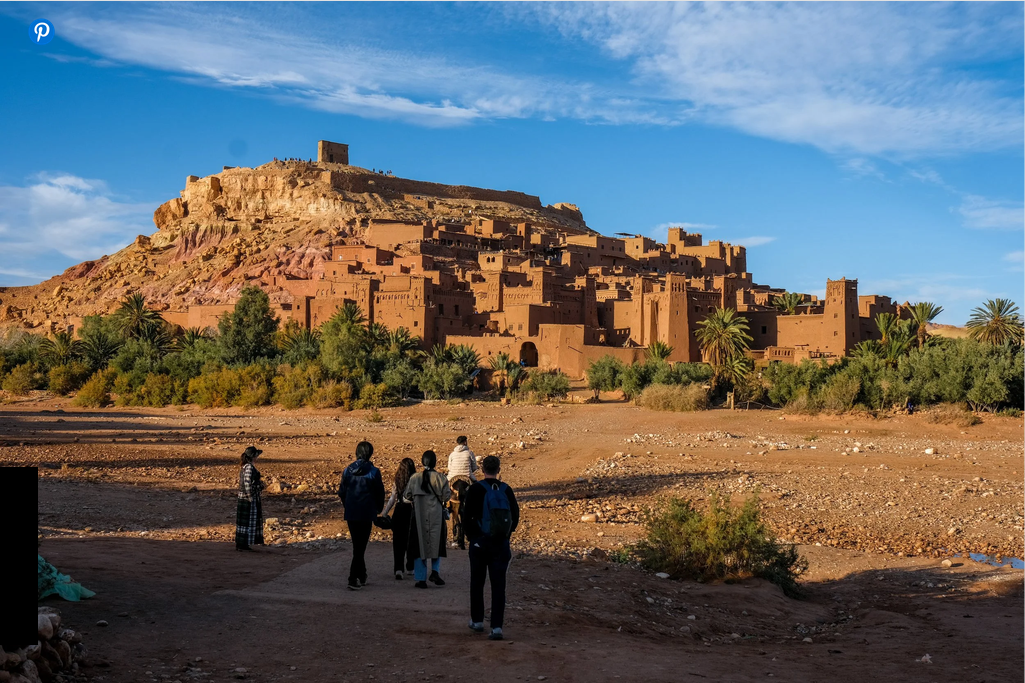
A kasbah is the fortified residence of a single extended family, recognisable by its corner towers often decorated with raised geometric patterns. A ksar, on the other hand, gathers several families within a single fortified complex behind shared ramparts — this is the case of the Ksar of Ait Ben Haddou.
On this route, both types of building follow one another: isolated kasbahs in the middle of palm groves, and denser ksour on the outskirts of villages.
3. What are the main stops between Ouarzazate and Merzouga?
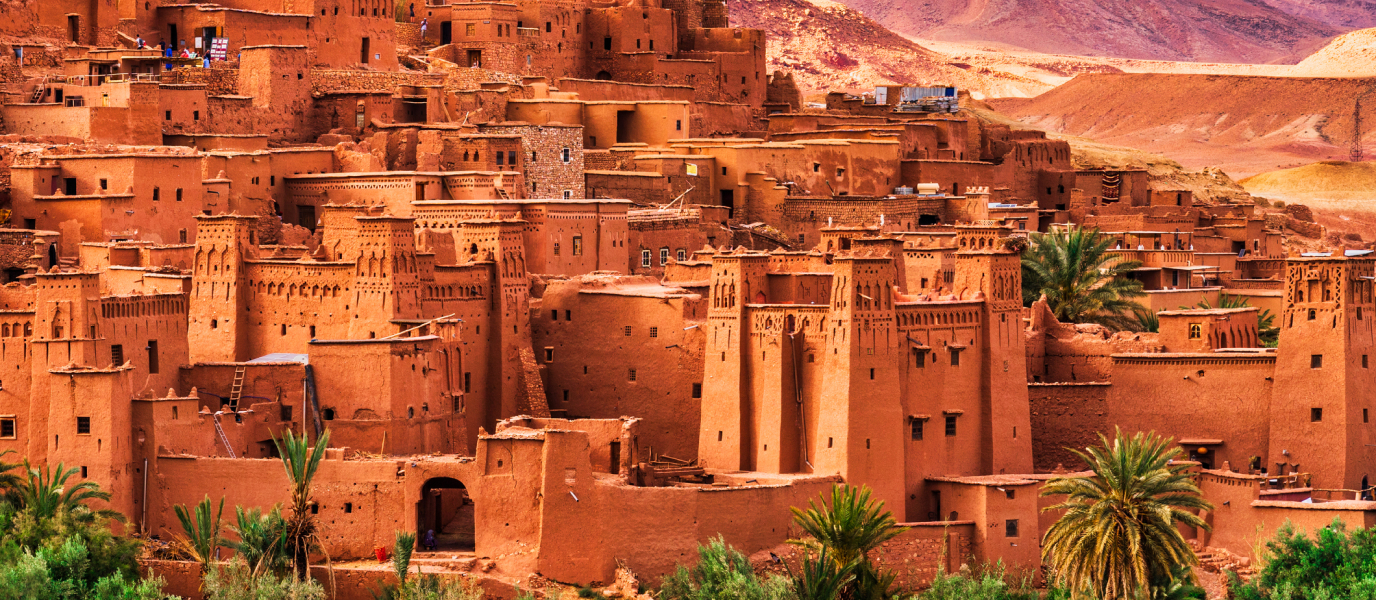
From Ouarzazate, the route first crosses the Skoura palm grove, known for its ancient kasbahs nestled among the palms, some partially in ruins testifying to the age of the mud-brick buildings.
It then reaches the Valley of Roses around Kelaat M'Gouna, where Damask roses are harvested in spring for rose water distillation — a local artisanal economy distinct from the rest of the itinerary.
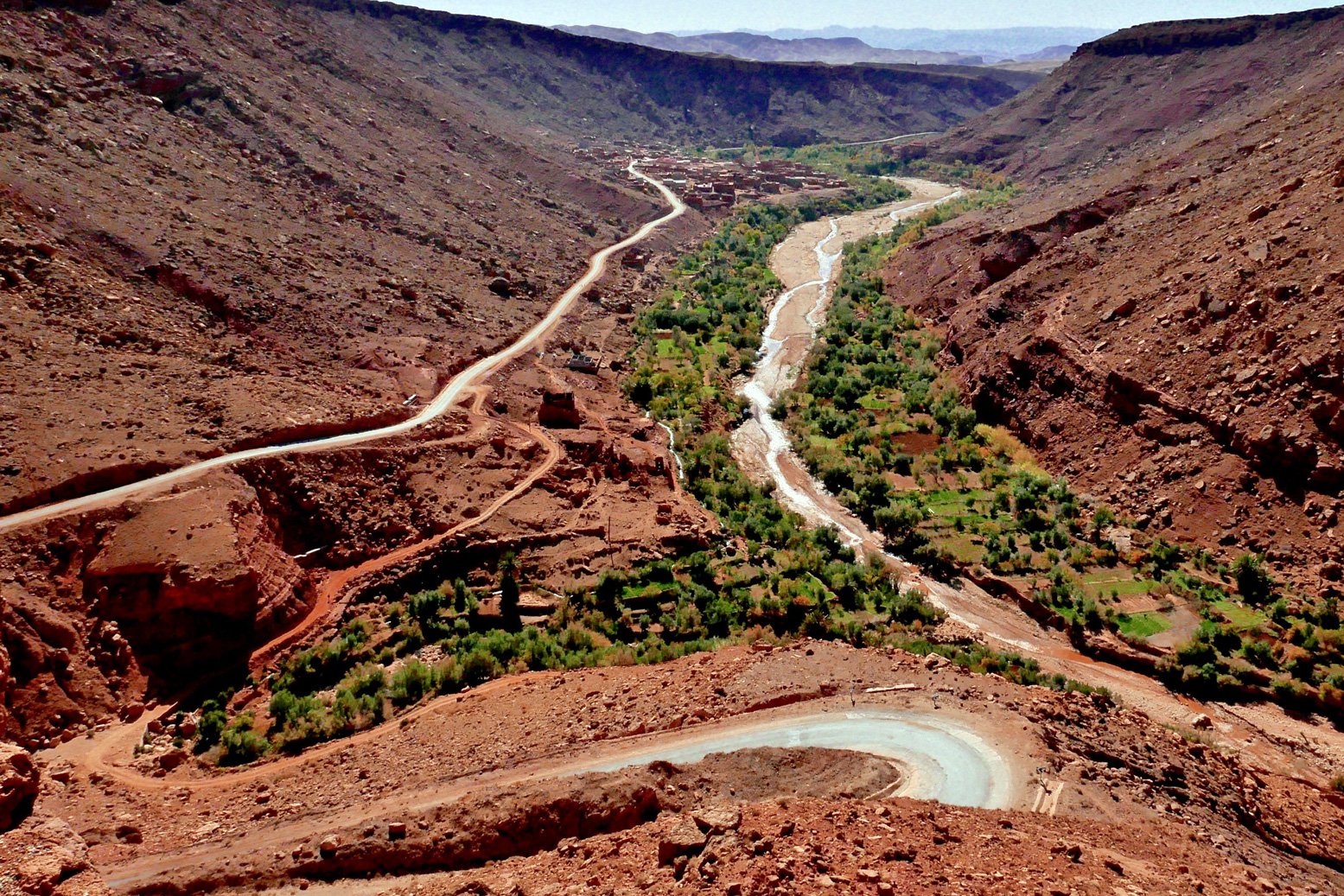
The route continues to the Dades valley then the Todra Gorges, before Erfoud and the arrival at the Erg Chebbi dunes in Merzouga.
Can you drive this route yourself or do you need an organised tour?
- • Road conditions: fully tarmacked, manageable in a standard hire car.
- • Real constraint: the journey length and mountain bends, not the road surface.
- • Avoid: night driving on the mountain stretches, less safe after dark.
- • On an organised tour: the journey is spread over 2 to 3 days with an overnight stop rather than a one-day round trip.
This itinerary matches our tours to Merzouga: 3-day tour or 4-day tour, with a stop at the Ksar of Ait Ben Haddou and then the Todra and Dades Gorges.
Book Your Merzouga Tour on WhatsApp
Pick-up directly from your hotel in Marrakech.
No deposit required in advance.
Chat & Book Your Stay