
Is the Merzouga desert safe for tourists?
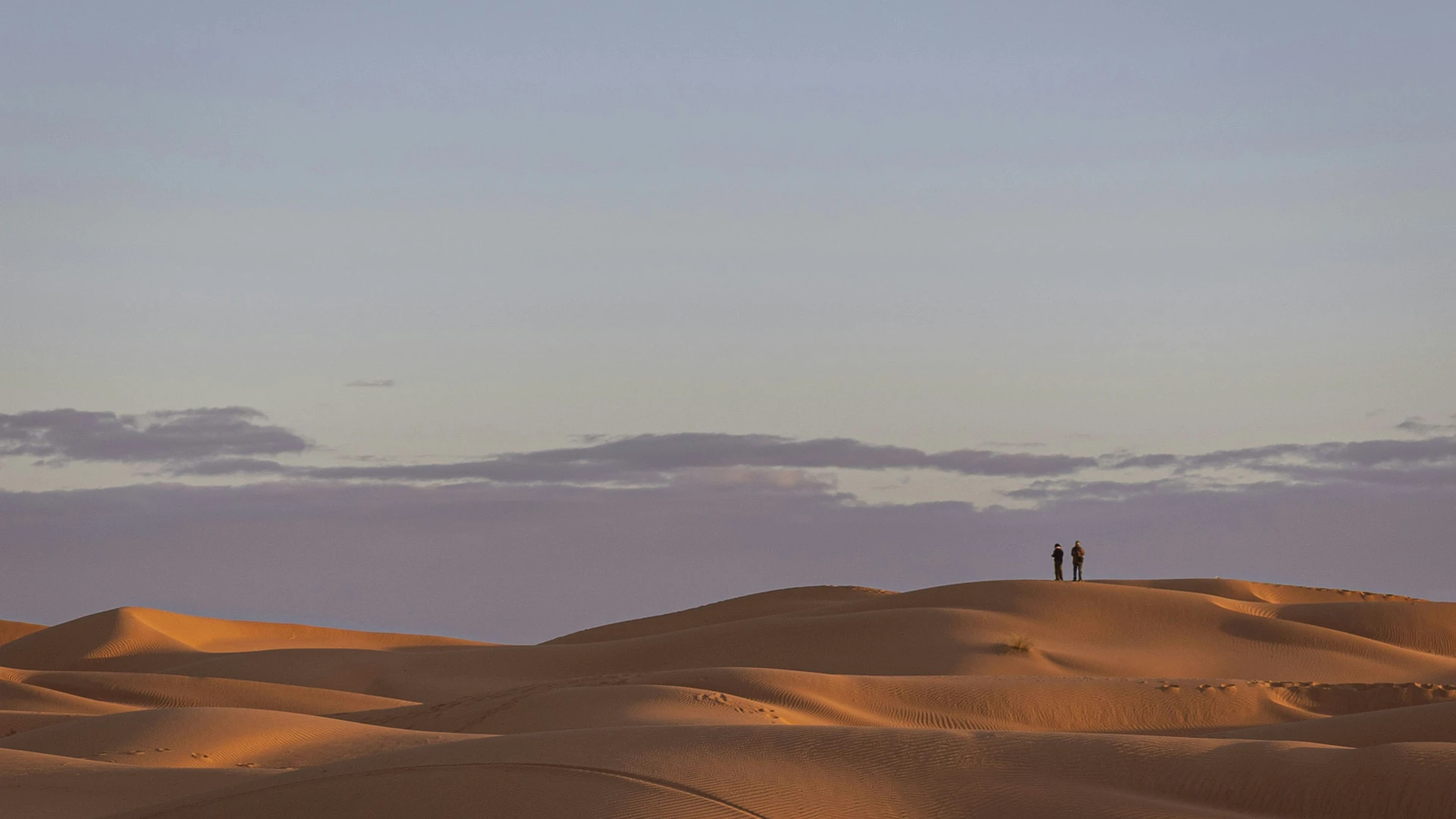
Quick answer: Yes, the Merzouga region is visited daily by thousands of tourists and considered safe, especially with a local operator, professional driver and experienced guide.
The main risk is dehydration and heatstroke from daytime heat, especially between June and August when the mercury can exceed 45°C: drink at least 2.5 litres of water a day, avoid direct exposure between 12pm and 4pm and wear a hat.
In a sandstorm, guides immediately stop the group and shelter travellers in the vehicle or under a tent, with a Berber cheche tied over nose and mouth protecting the airways until the wind drops.
The road is tarmacked but winding at the Tizi n'Tichka pass: on an organised tour, a professional driver takes care of the driving, and the journey is spread over several days to limit fatigue.
The village of Merzouga has a basic health centre, the town of Rissani (about 20 minutes) has a more complete hospital, and the regional hospital in Errachidia (about 1 hour 30 by road) is the reference centre for Tafilalet for any serious emergency.
Morocco desert safety in Merzouga rests above all on good preparation and professional supervision.
Every year, thousands of travellers stay without incident in the Erg Chebbi dunes thanks to organised tours, experienced drivers and desert camps used to hosting international groups.
This guide reviews the main points of vigilance: managing heat, what to do in a sandstorm, access to medical care and good practice for a worry-free desert camp stay.
See also our guide to Merzouga desert gear to complete your preparation.
What is the main health risk in the Moroccan desert?
Drink at least 2.5 litres of sealed bottled mineral water a day, more on hikes or camel rides.
Avoid direct sun between 12pm and 4pm and go for loose, light-coloured clothing.
To choose the mildest period, remember that October to May offers far more pleasant daytime temperatures (20-26°C), in line with the climate data published by the Moroccan national tourist office (visitmorocco.com).
What should you do in a sandstorm during the excursion?
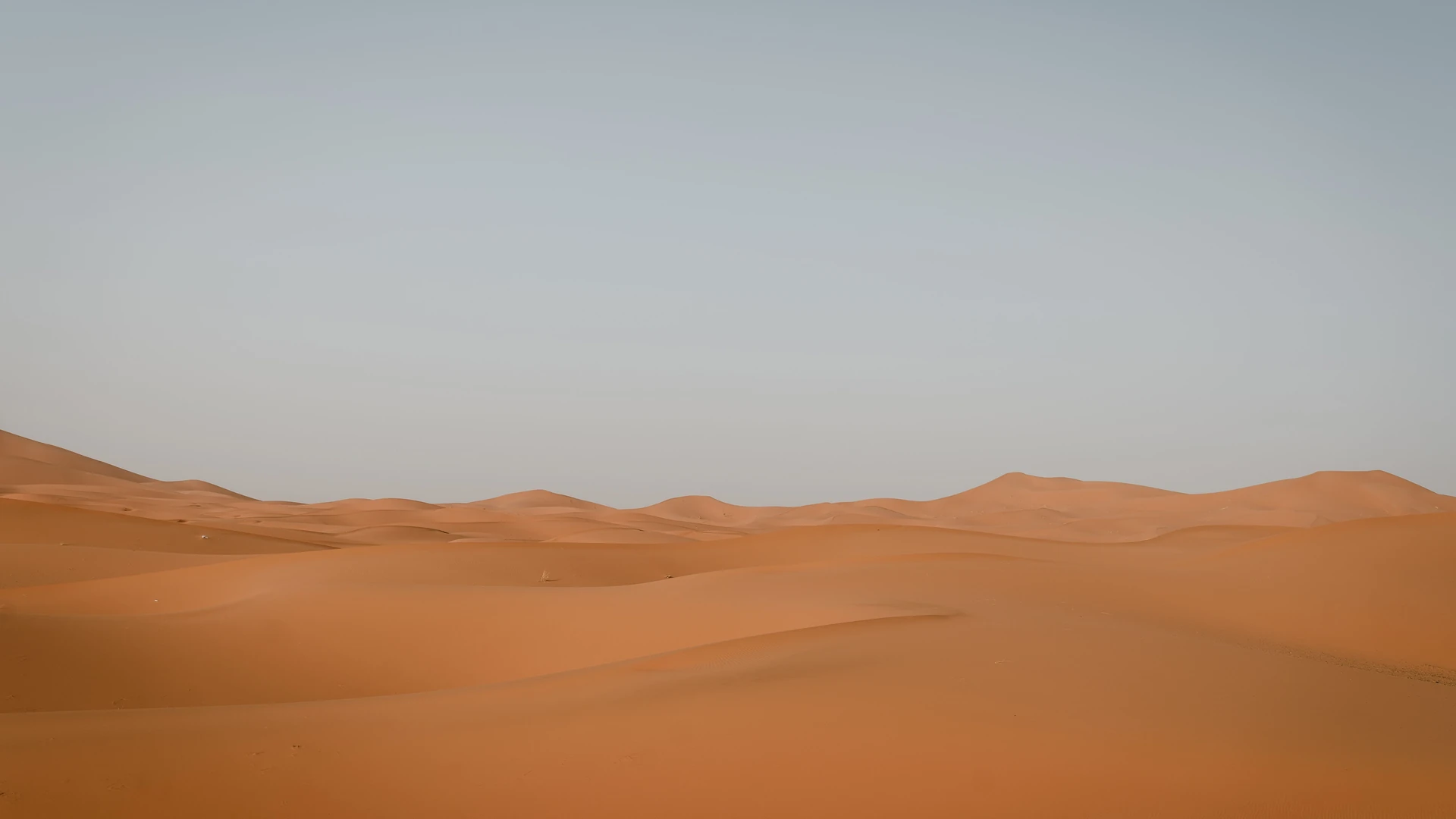
Light sandstorms are occasional, especially at the end of the day on the Erg Chebbi ridges.
Never wander off alone from the group or the desert camp: the ever-changing relief of the dunes makes navigation hard for an unaccustomed traveller.
Our guides know the terrain perfectly and always adjust the programme to the day's weather, including on long-distance itineraries from Marrakech.
This guide treats the sandstorm as a risk managed during an excursion already under way. If your question is about cancelling or postponing a departure because of the weather, before the tour even starts, see our dedicated guide on cancellation or refund in bad weather.
Is the road between Marrakech and Merzouga dangerous?
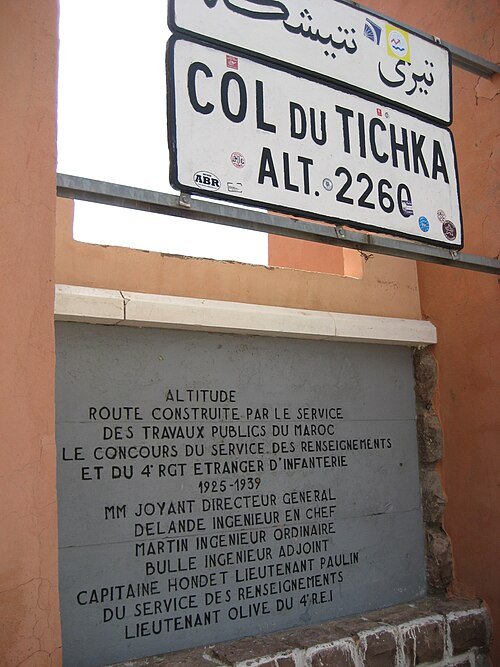
The journey to Merzouga crosses the Tizi n'Tichka pass, at 2,260 metres above sea level.
The road is fully tarmacked, but the many hairpin bends on this pass call for careful driving, which can be worrying before you leave.
On an organised tour, it is a professional driver who knows this road inside out who takes care of the driving, not the traveller.
The journey is also spread over 2 to 3 days with intermediate stops, rather than driven in one go, which limits driver fatigue on the twistiest sections.
For travellers hiring a car, avoiding night driving on this pass remains the most useful safety tip, as detailed on our page about the Marrakech-Merzouga journey.
Is there access to medical care near Merzouga?
It is recommended to take out travel insurance covering repatriation before you leave.
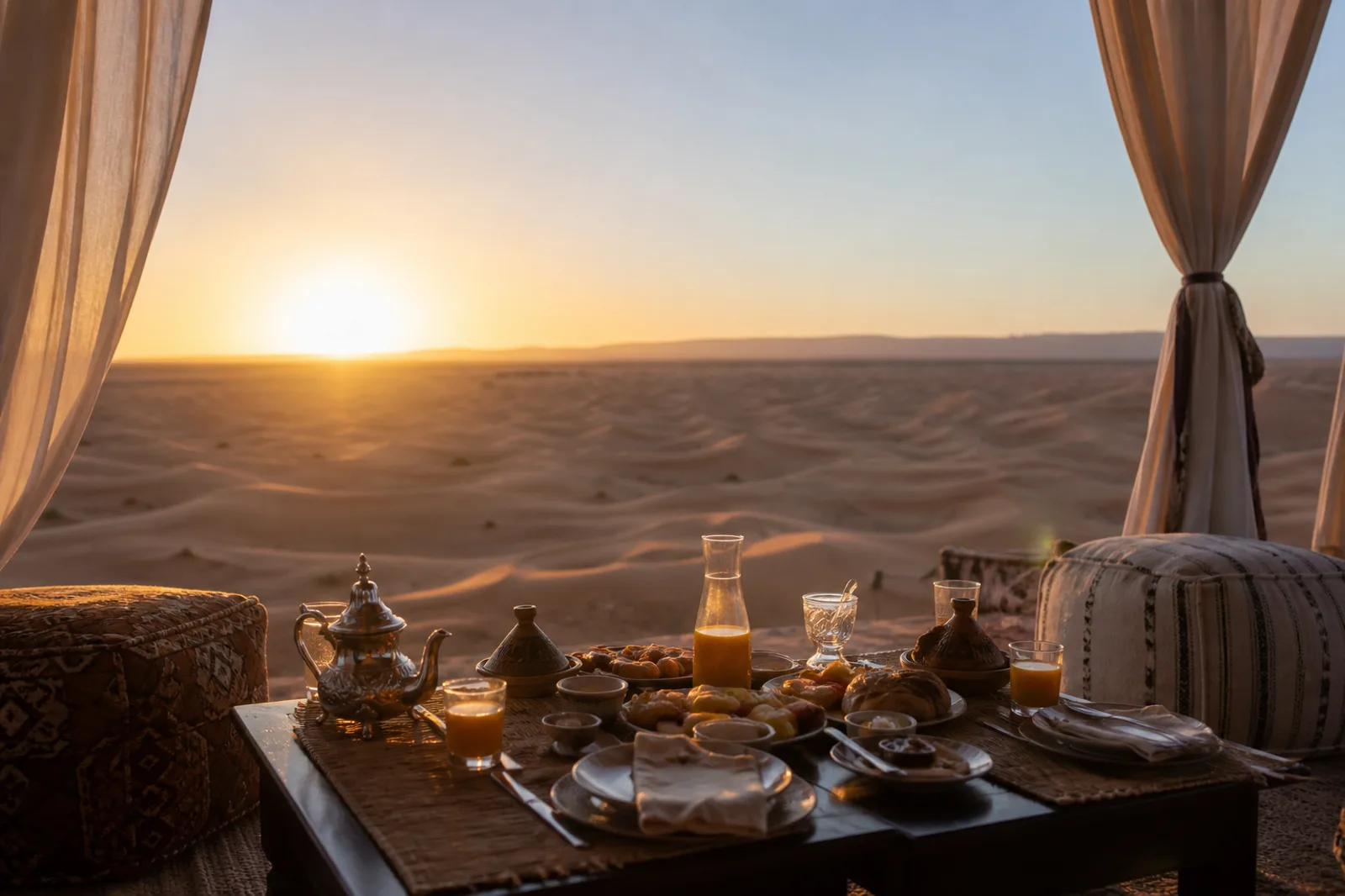
The partner desert camps we recommend all have permanent vehicle access and a first-aid kit.
Compare the levels of supervision in our selection of the best desert camps in Merzouga, including options with enhanced supervision.
Book Your Merzouga Tour on WhatsApp
Pick-up directly from your hotel in Marrakech.
No deposit required in advance.
Discover our private Merzouga tour for tailor-made support.
Chat & Book Your Stay