
The light changes fast in the desert.
What looks like ordinary sand at midday becomes, an hour before sunset, an almost liquid material, orange then red.
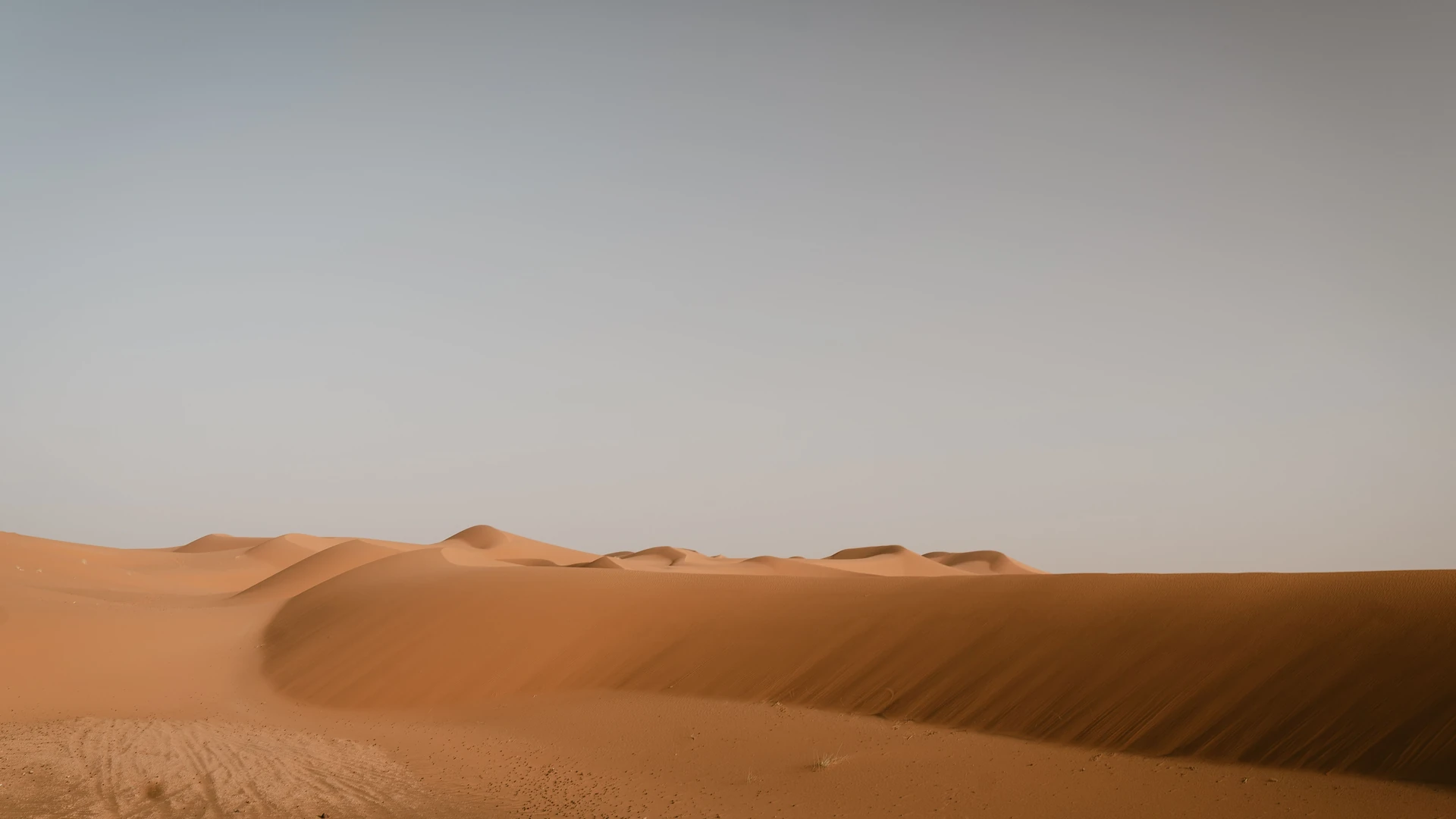
Erg Chebbi owes this photographic reputation to its geography: dunes rising to over 150 metres, a stony reg backdrop, and a Saharan sky rarely veiled.
To plan your stay, see our detailed Merzouga map to pinpoint the best viewpoints.
What are the best spots for photography in Merzouga?
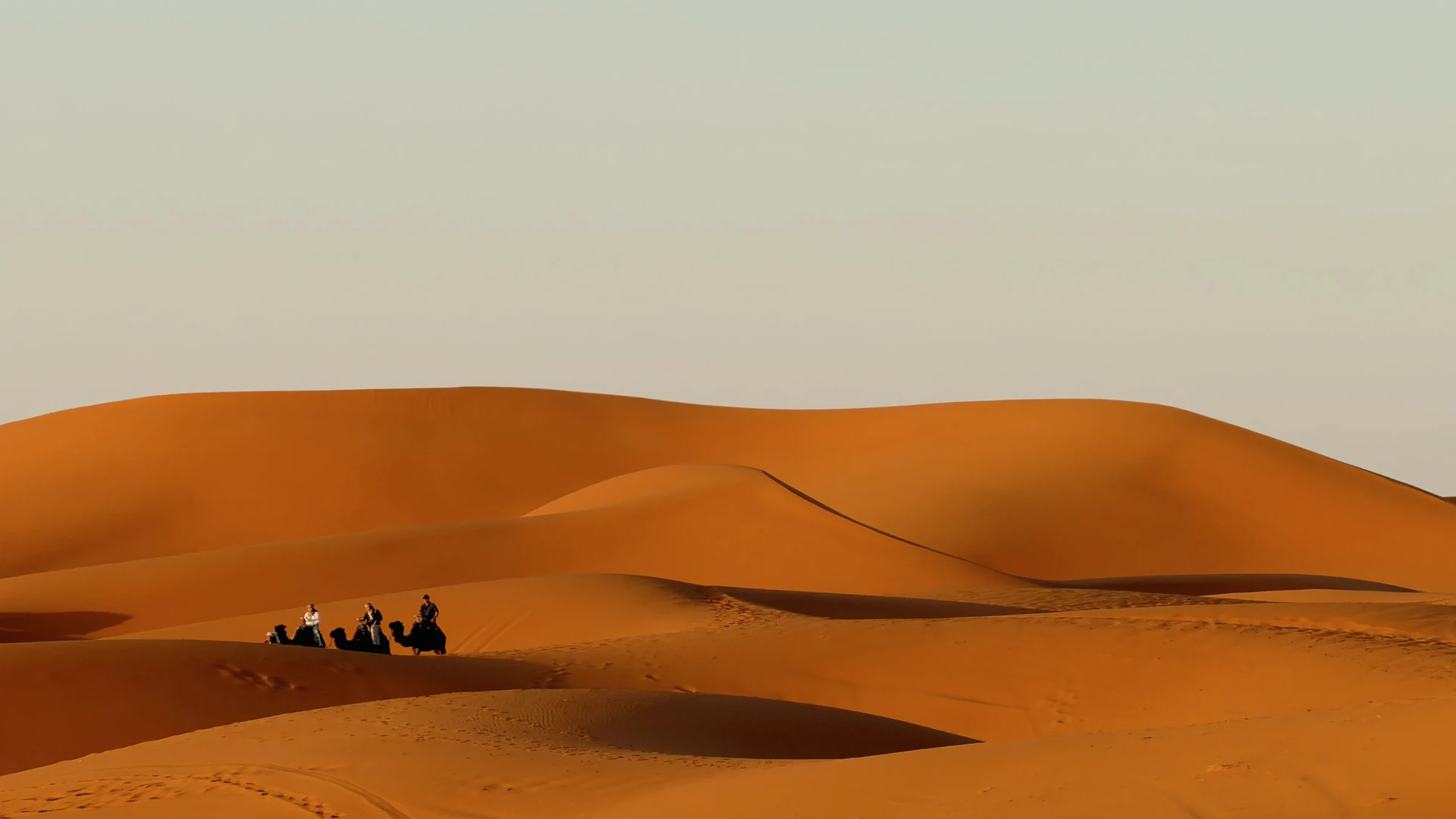
The great Erg Chebbi dunes, stretching nearly 28 kilometres long and rising to over 150 metres, offer sculpted lines and shadows ideal for photographic composition.
The ridges accessible on foot from the desert camps let you photograph sunrise without depending on a long transfer.
The seasonal Dayet Srji lake, when it holds water after the rains, offers spectacular reflections of the dunes and sometimes attracts flamingos — a rare scene highly sought after by wildlife photographers.
When is the best time for photography in Merzouga?
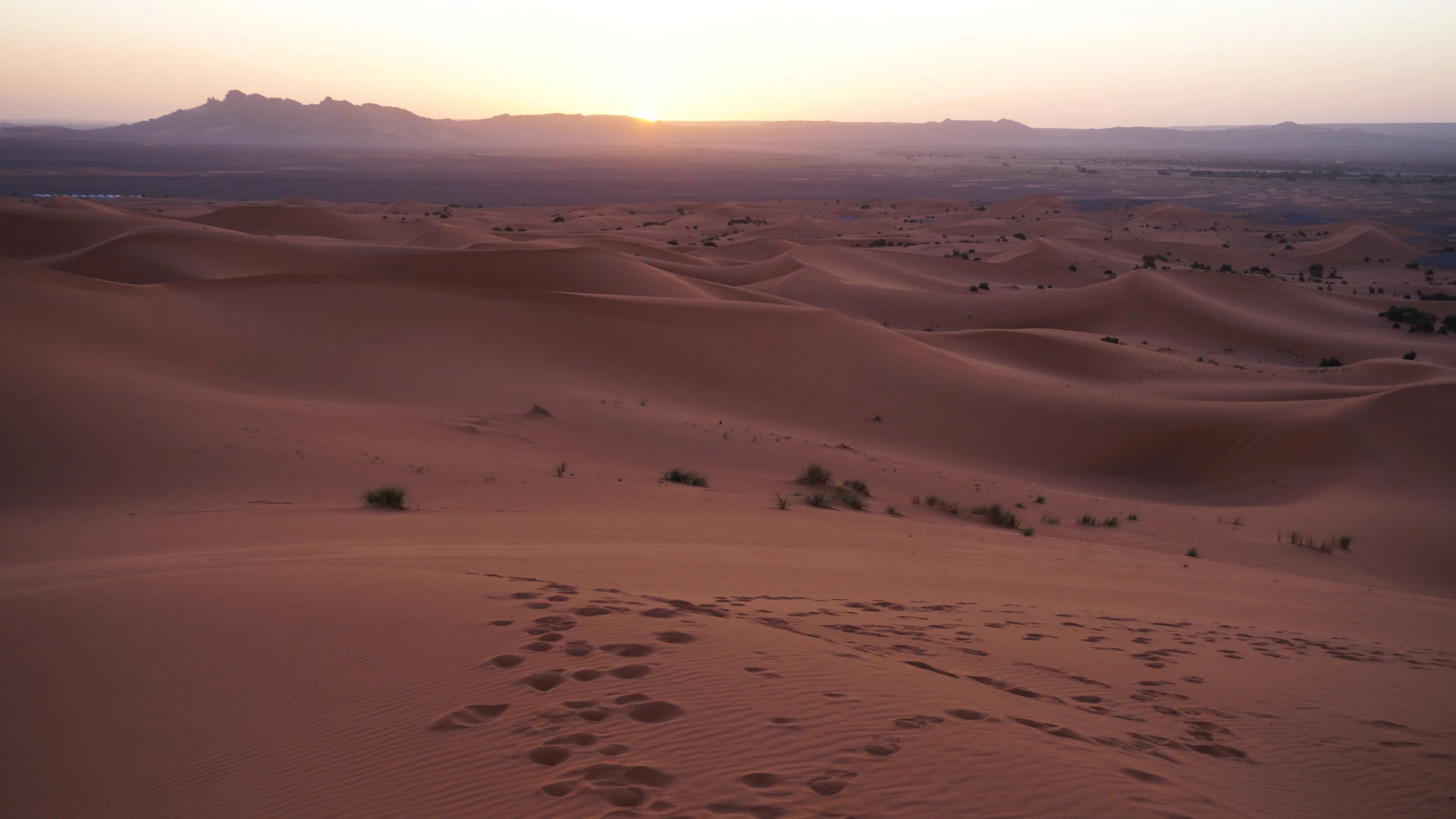
Arriving at the camp in the late afternoon lets you witness sunset over the dunes, the most photogenic moment of the stay.
Camels silhouetted on the ridges make an iconic subject highly sought after by travel photographers.
Sunrise, calmer and less crowded, offers soft light and long shadows that accentuate the undulating relief of the sand.
It is often the favourite moment of professional photographers staying in Merzouga.
Can you do astrophotography at Erg Chebbi?
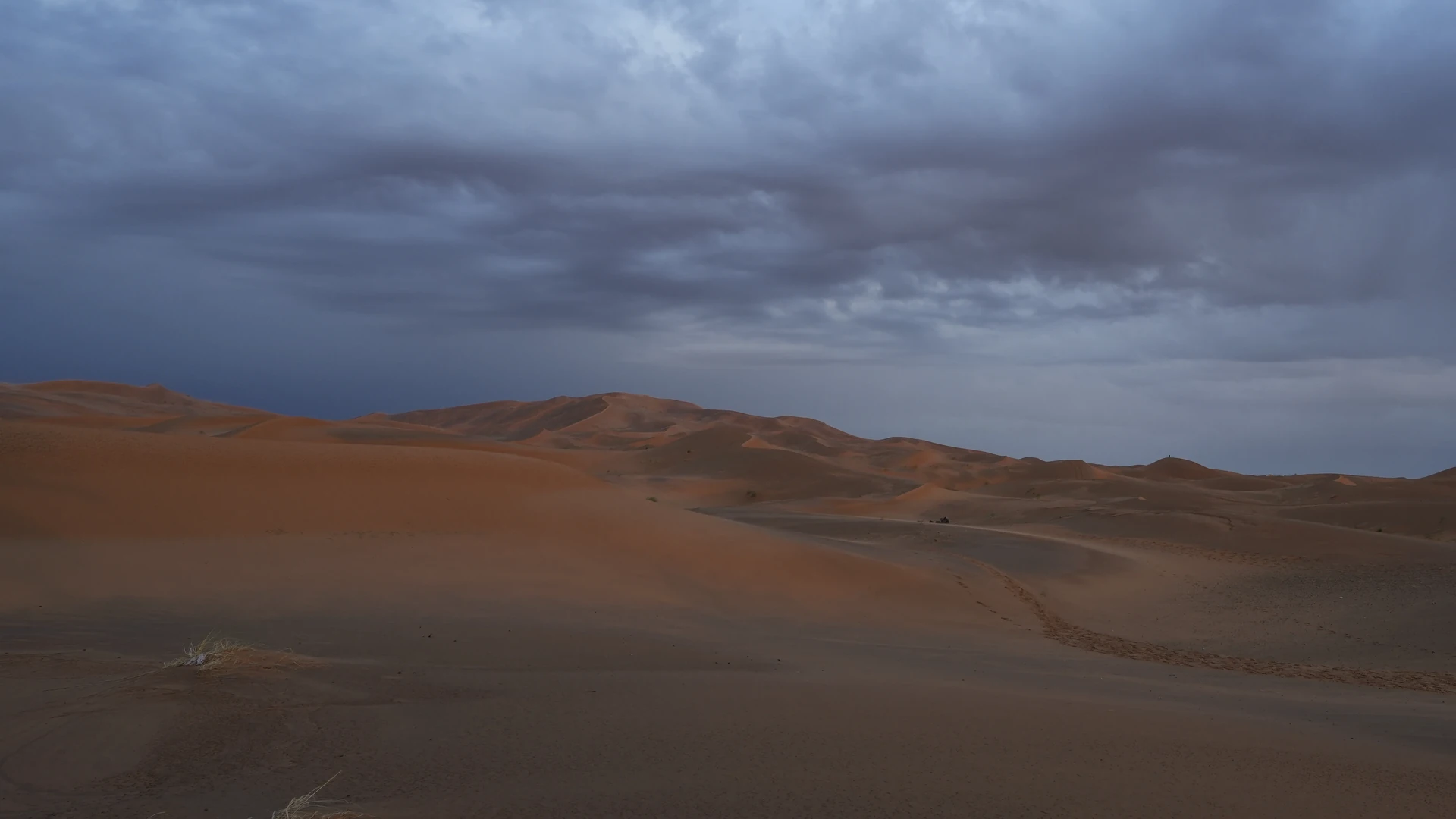
Thanks to its distance from urban areas, Erg Chebbi enjoys a night sky of rare purity, ideal for astrophotography and stargazing.
The Light Pollution Map confirms that Erg Chebbi lies in one of the darkest areas in Morocco, far from any urban glow.
A stable tripod, a remote shutter and a fast lens (f/2.8 or wider) are recommended to capture the Milky Way above the silent dunes of the camp.
What gear should you bring for photographing the Merzouga desert?
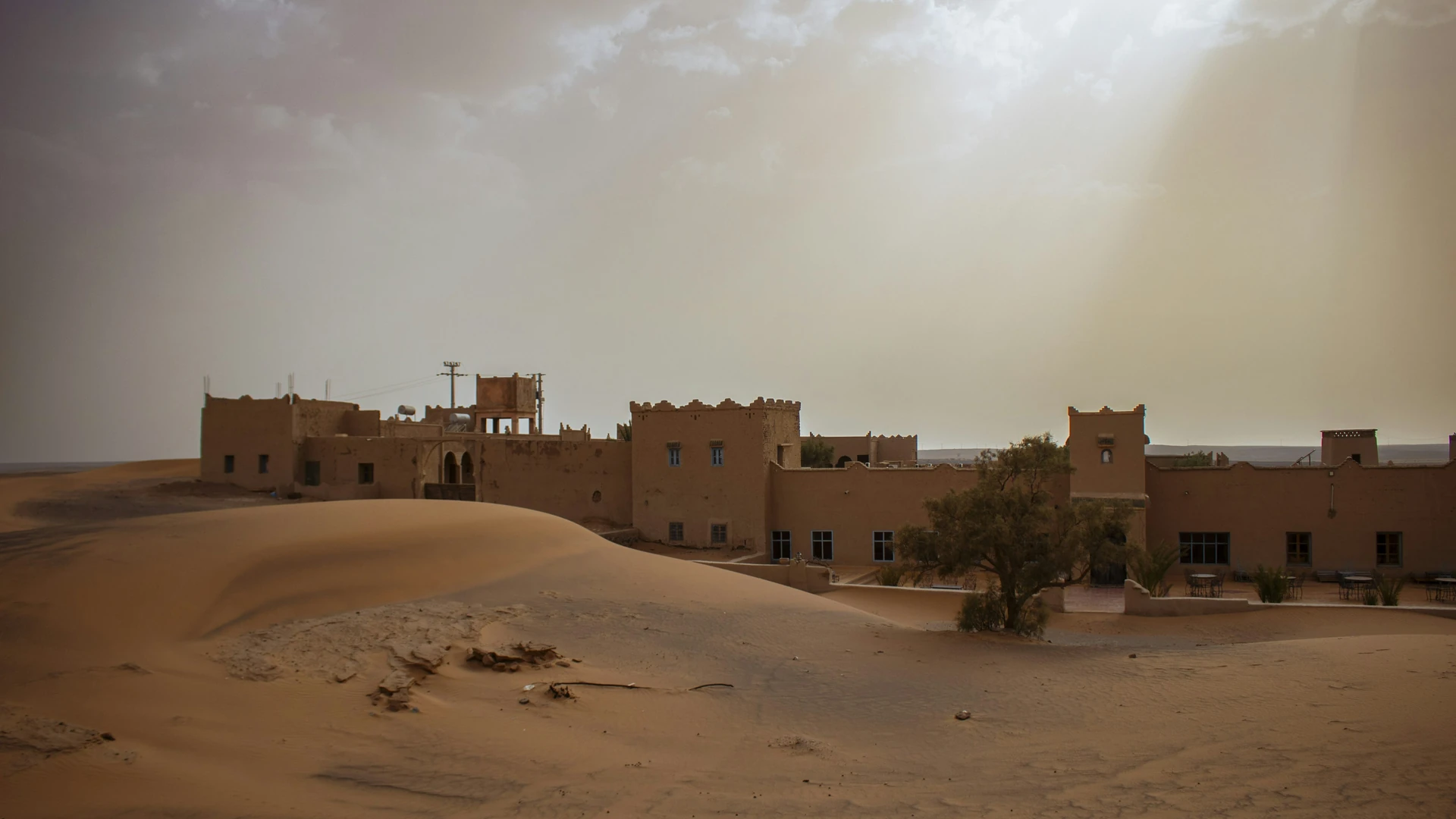
Practically speaking, a photography stay in Merzouga is easily arranged via a private tour with driver, letting you stop at the best times and places without group constraints.
How do you photograph local life and traditions?
Always ask permission before photographing residents, particularly in Berber camps and Khamlia, where the local community welcomes visitors but values respect for their image.
Practical tip
To make the most of Merzouga photography, plan your stay between October and May.
Remember to bring a cotton cheche to protect yourself from sand wind, warm clothes for Saharan nights and a power bank to charge your cameras under the Milky Way.
Book Your Merzouga Tour on WhatsApp
Instant confirmation with no deposit required in advance.
Pick-up from your hotel.
Book Your Stay