The same questions almost always come up before a first trip to Merzouga.
This guide brings them together, with direct answers rather than generalities — the real distance, the real price, what really matters for planning the stay, without unnecessary detours through vague wording.
What distance and route from Marrakech?
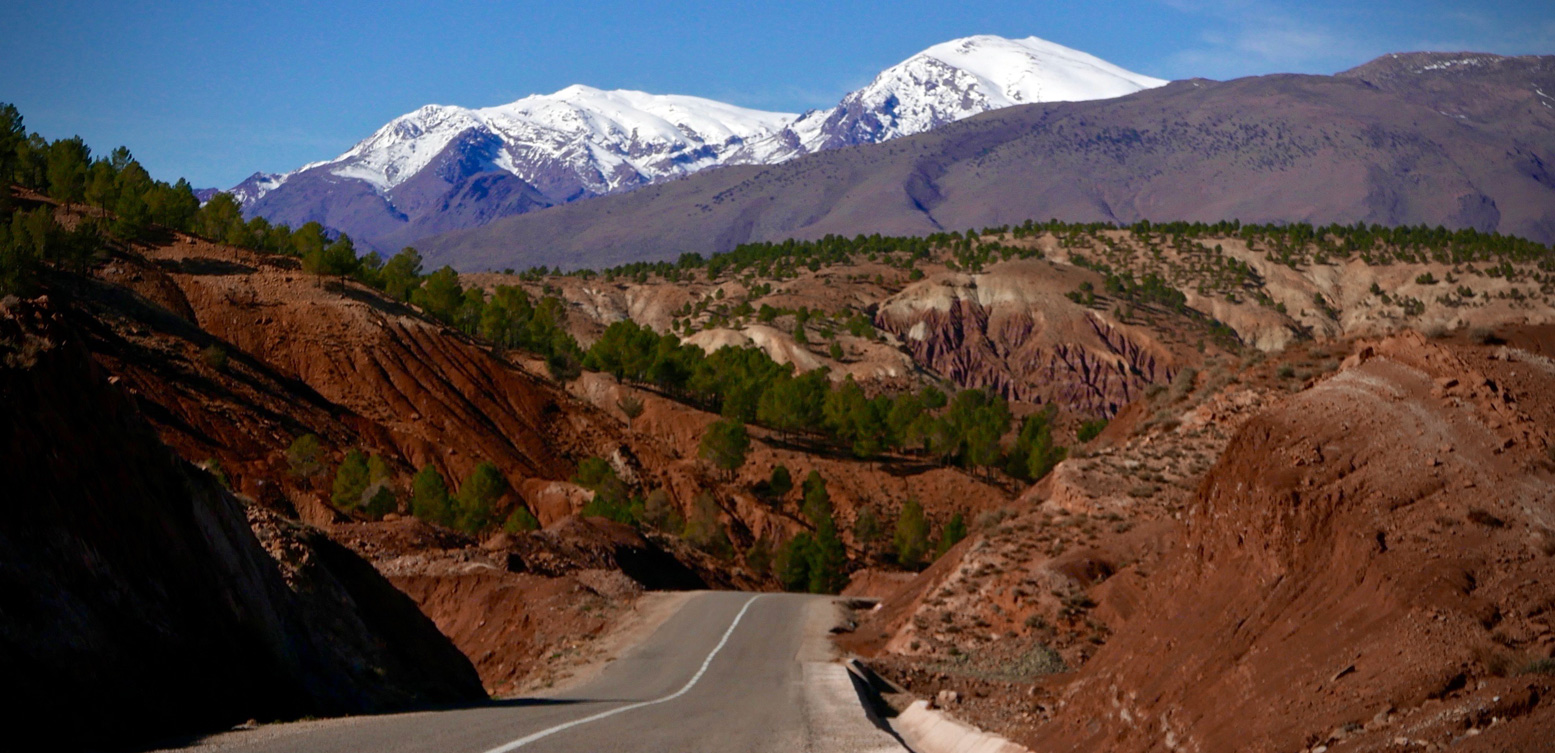
560 km, or 8 to 9 hours of driving non-stop — a journey almost nobody does in one go.
Most travellers spread the route over 2 to 3 days, with stops at the Dades or Todra Gorges along the way.
This breakdown is not just about comfort: the road itself, via the Tizi n'Tichka pass and the Ksar of Ait Ben Haddou, is an integral part of the trip.
Reducing the journey to a direct there-and-back would mean skipping half of what the tour has to offer.
Other Moroccan cities also offer departure points, with different distances: Fès is about 470 km from Merzouga, and Casablanca over 600 km.
In every case, crossing the High Atlas or the Middle Atlas remains unavoidable, whatever departure point you choose.
How much does it cost and how do you book?
Three simple options: 80 € standard, 110 € comfort, 180 € luxury, per person.
The price always covers transport, accommodation (hotel or desert camp depending on the night), main meals and the camel ride.
Booking is done directly on WhatsApp, with no deposit to pay in advance: payment is made in cash or by bank card on the day of departure, to the driver.
For a complete estimate including extras, our trip budget guide details what gets added to the tour price.
This no-deposit approach sometimes surprises travellers used to standard hotel bookings, but it remains the norm for this type of local tour in Morocco: confirmation is based on the word exchanged by message, with no financial commitment before actual arrival.
When is the ideal season and what gear should you plan for?
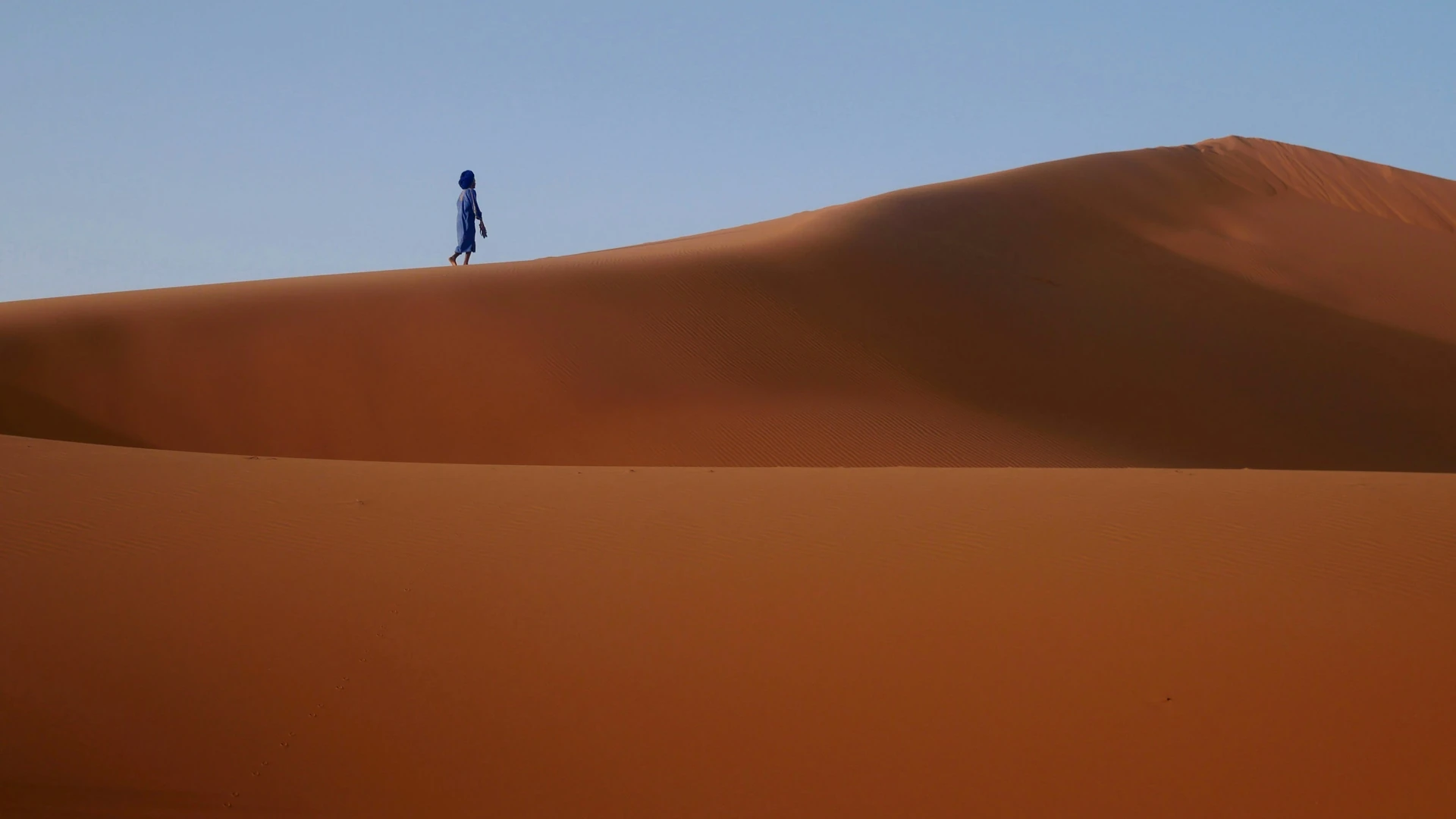
From October to May, daytime temperatures remain pleasant, between 20 and 26°C.
July and August regularly exceed 45°C during the day — activities remain possible, but concentrated in the early morning or late afternoon.
Gear-wise, the essentials come down to a few things: a cheche for sand wind, light clothes for the day, a warm jacket for the night — the temperature swings often surprise those who have only travelled in temperate climates — and a power bank, as electrical outlets remain scarce at the camp.
To dig deeper into the climate question, our Merzouga weather page details the variations month by month.
According to climate data published by the Moroccan Directorate General of Meteorology, the temperature range between day and night in the Merzouga region can exceed 20°C, even in the height of the warm season — a figure that alone justifies packing a warm layer whatever season you choose.
What formalities and health precautions before departure?
Morocco does not require any specific vaccination for European travellers, but it is still advisable to check that your routine vaccinations are up to date (DTP, hepatitis) before any Sahara trip, as for any destination.
Tap water is generally not recommended for direct consumption, even in the big cities: opt for sealed bottled water throughout your stay, available everywhere at low cost.
No visa is required for most European nationalities for a tourist stay of less than 90 days.
Shared group or private tour: which should you choose?
The shared group suits solo travellers or couples with no particular timing requirements: the programme follows a fixed pace, shared with other travellers in the same vehicle.
The private tour costs more, but brings real flexibility: departure at your preferred time, extended stops if you feel like it, a pace suited to children or elderly members of the group.
For a family of four, the price gap between the two options often narrows once spread across the number of travellers.
Other frequently asked questions
Does mobile coverage work in the desert? Yes in Merzouga itself, but coverage becomes patchy once in the dunes, especially in the more remote camps.
Let your loved ones know about this temporary disconnection before you go.
Can you pay by bank card on site? Rarely outside the big cities.
Bring cash in dirhams for incidental expenses: lunch, tips, market purchases.
Is the time difference a problem? Morocco generally stays close to Western European time, with occasional adjustments during clock changes — worth checking before departure, but not a real barrier to the trip.
Do you need to speak Arabic or Berber to travel comfortably? No, not at all.
French remains widely spoken in the tourism sector of southern Morocco, particularly among driver-guides and accommodation staff, long accustomed to French-speaking travellers.
What about safety and health in the desert?
The Merzouga region has been an established tourist destination for decades, with a well-oiled hospitality infrastructure.
The main risks remain related to heat and dehydration rather than any insecurity: drink regularly, even without feeling particularly thirsty, and avoid strenuous physical activity between midday and 4pm in the height of the warm season.
In case of a minor medical issue, each camp generally has a basic first-aid kit, and vehicle access remains possible if something more serious arises.
For regular medication, bring a sufficient supply before departure: pharmacies remain scarce outside the big cities.
A question not answered here?
Write to us directly on WhatsApp — answers to specific questions (exact dates, group size, special needs) generally arrive within minutes, without going through a form or waiting for a confirmation email.
Book Your Merzouga Tour on WhatsApp
Instant confirmation with no deposit required in advance.
Pick-up from your hotel.
Book Your Stay