
Erfoud fossils form an inseparable pair in south-eastern Morocco.
This garrison town turned regional capital of black marble is home to the country's main carving workshops, where 400-million-year-old trilobites and ammonites are extracted, polished and turned into decorative objects.
Located 45 kilometres north of Merzouga, Erfoud is an almost unavoidable stop on the road to Erg Chebbi, often combined with a visit to the nearby Rissani souk.
For more official tourist information about the region, see the Moroccan National Tourist Office.
Why is Erfoud known for fossils?
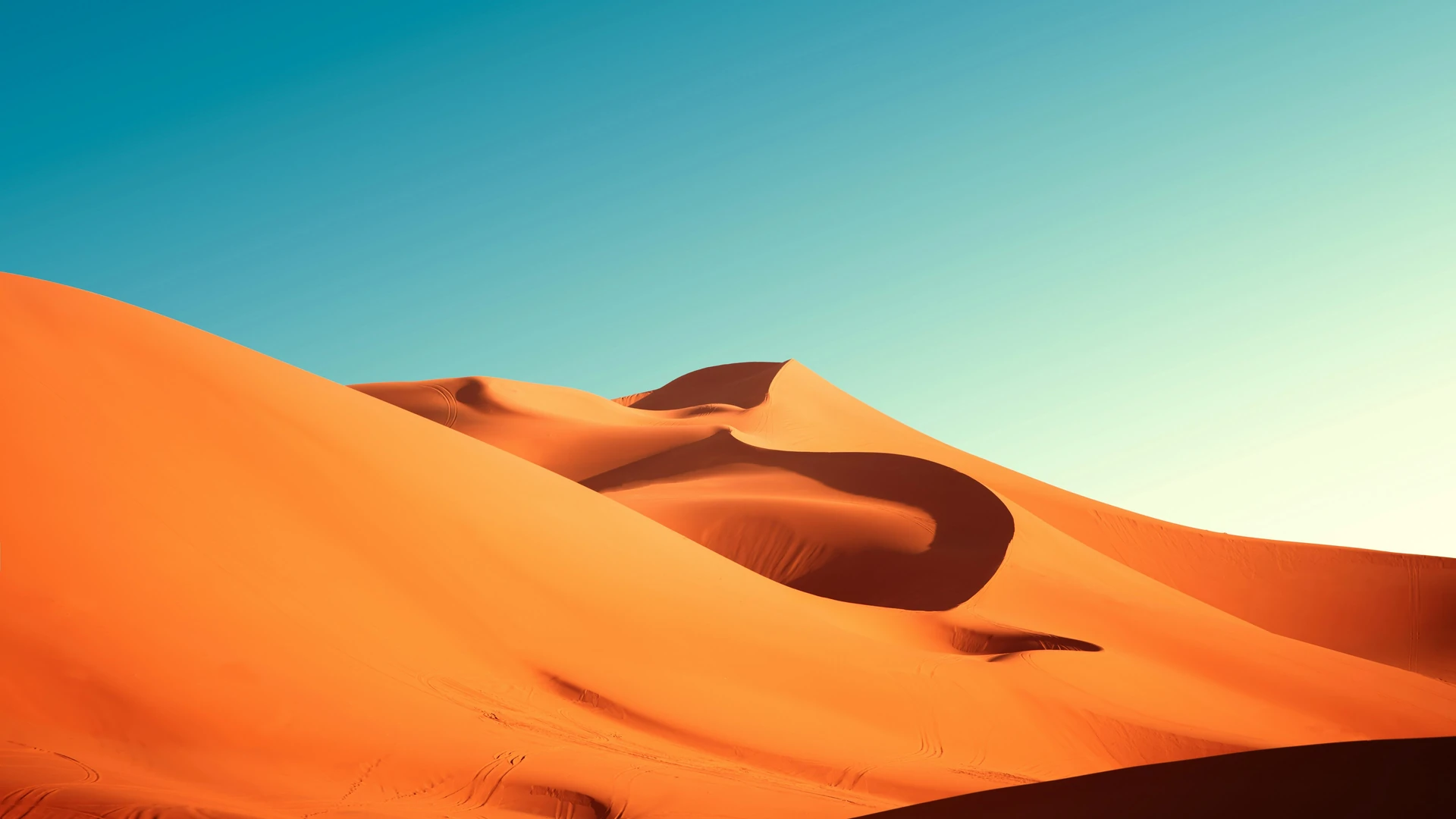
About 400 million years ago, during the Devonian geological period, the Erfoud region was covered by a warm, shallow sea teeming with marine life.
Successive layers of limestone sediment gradually fossilised thousands of marine organisms, now trapped in the rock.
This exceptional geological setting makes the Erfoud region one of the richest fossil deposits in the world, worked industrially for several decades for the production of decorative black marble, unique for its natural inclusions of orthoceras and trilobites.
Can you visit the fossil workshops in Erfoud?
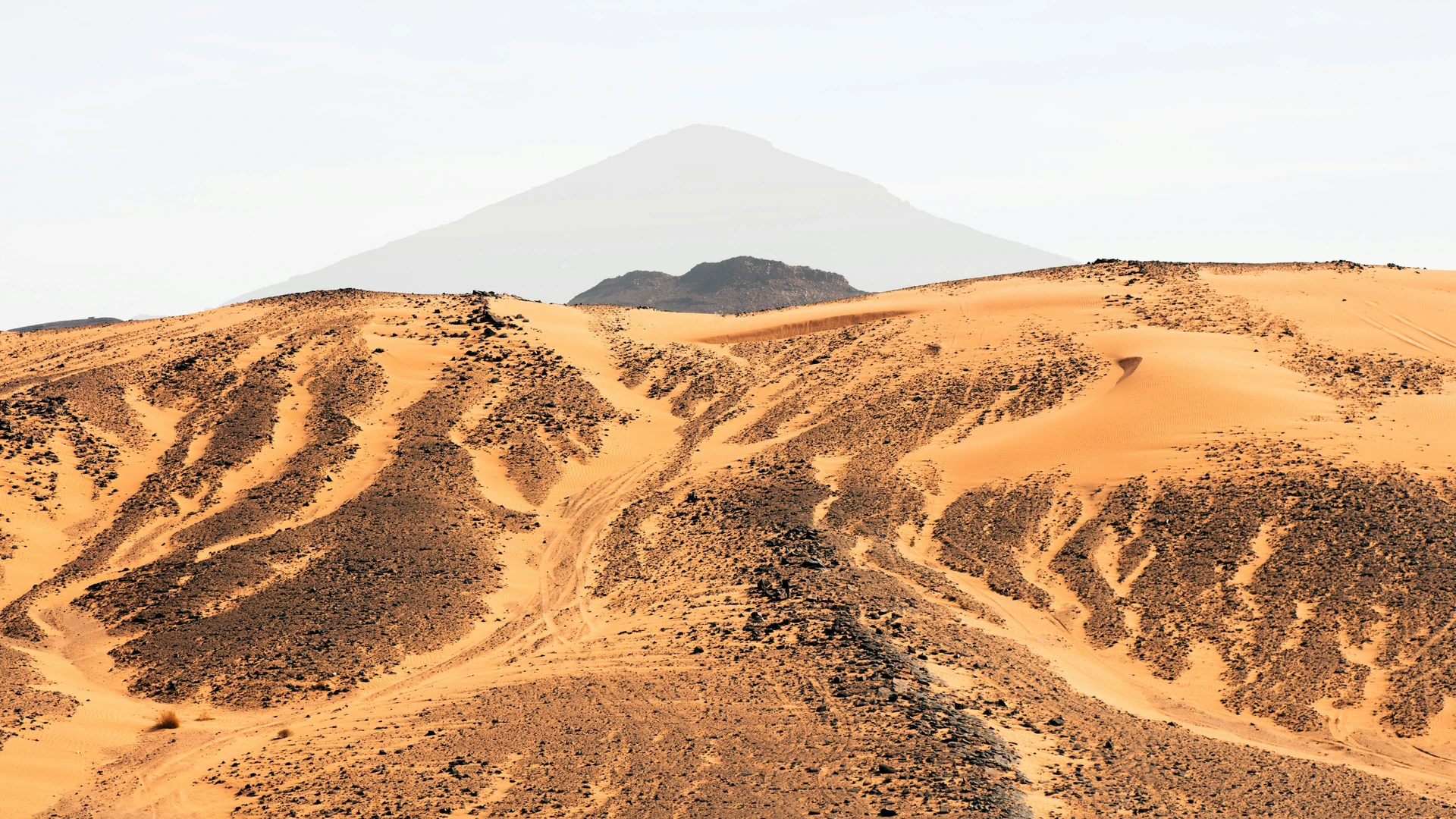
Several artisan workshops, clustered on the outskirts of Erfoud on the Rissani road, open their doors to visitors to watch the complete process of transforming fossil-bearing black marble, from raw extraction to the final polishing of the slabs.
The guides on site explain diamond-saw cutting techniques and show how the fossils appear in negative or relief depending on the angle of the cut.
The visit generally ends in the adjoining shop, where sinks, coffee tables and decorative objects in fossil marble are on sale.
Where can you see fossils without buying them in Erfoud?
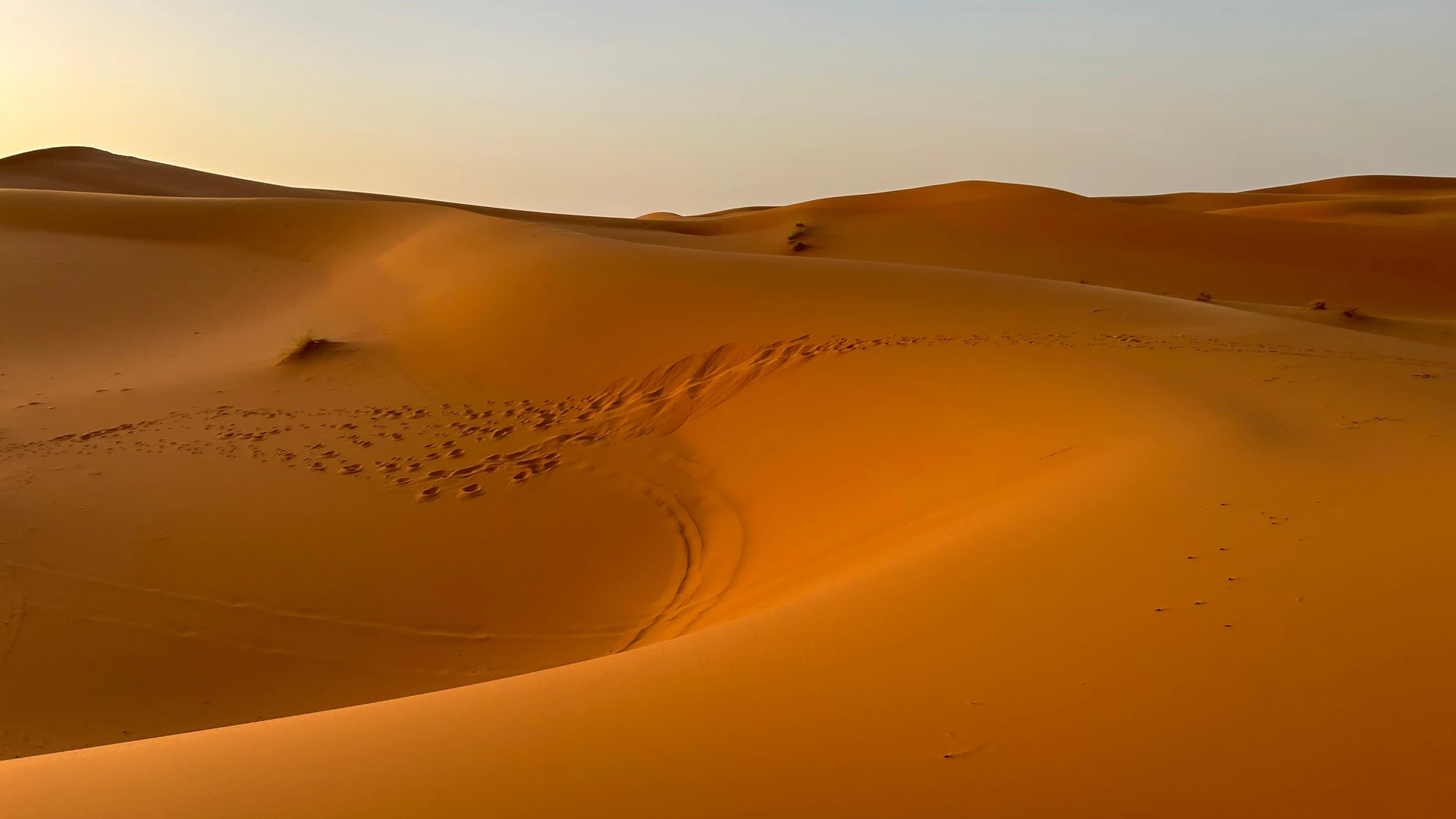
Erfoud is home to a dedicated fossil museum exhibiting remarkable pieces, including complete trilobites several centimetres across and orthoceras, these straight-shelled cephalopods that can reach a metre in length, all extracted from the surrounding quarries.
This visit provides a scientific and educational complement to the commercial workshops, helping you better understand the region's geological history before continuing to the Erg Chebbi dunes or the nearby Ziz valley.
What else is there to see in Erfoud, beyond fossils?
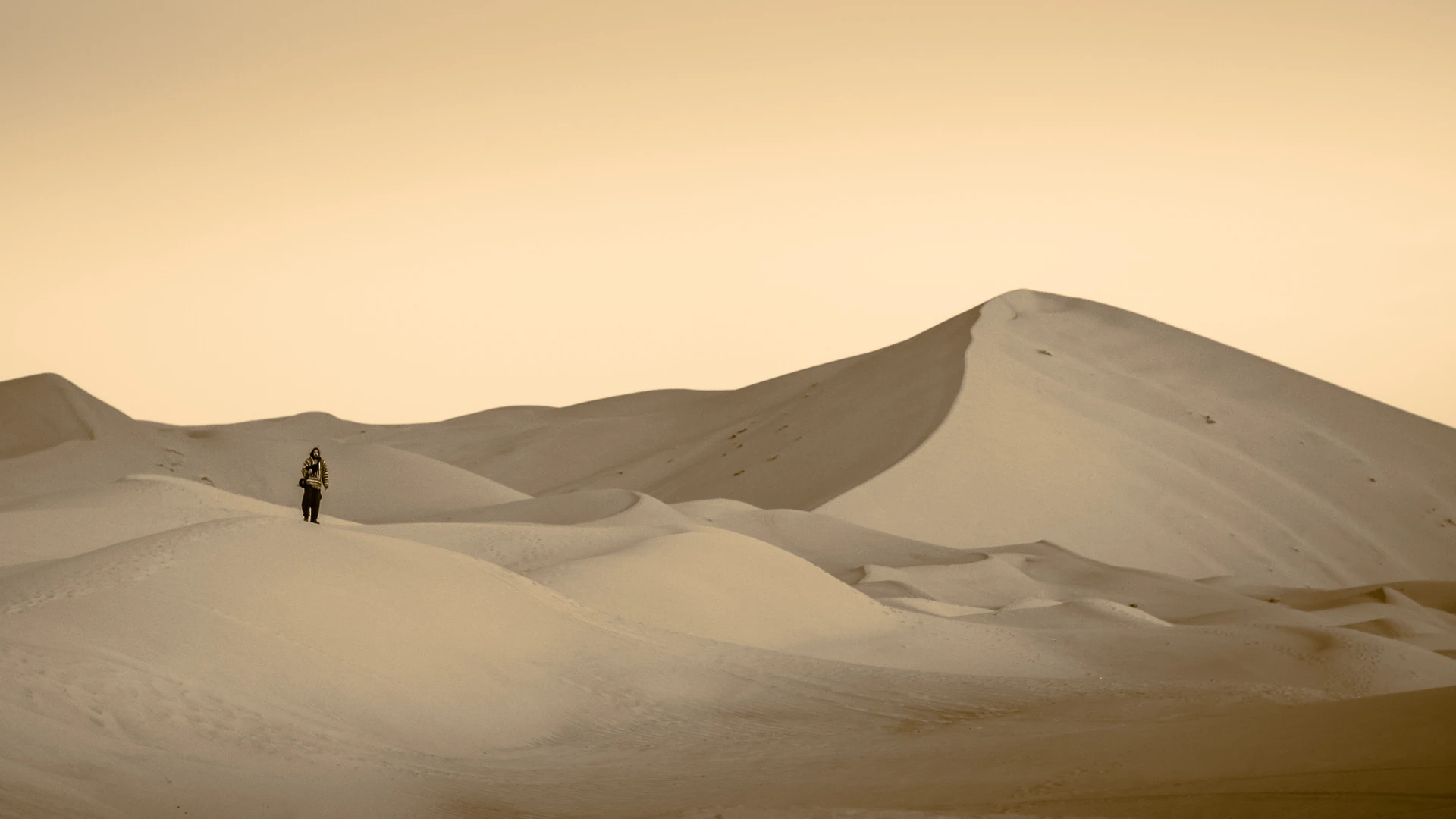
Beyond fossils, Erfoud is also known as the regional date capital, celebrated every year at the Date Festival which brings together producers and visitors around traditional festivities, generally in October after the harvest.
The town also serves as a natural gateway to the spectacular gorges of the Ziz valley and the Merzouga desert, making it a popular logistical base for travellers wanting to explore the region at their own pace.
What is the distance between Erfoud and Merzouga?
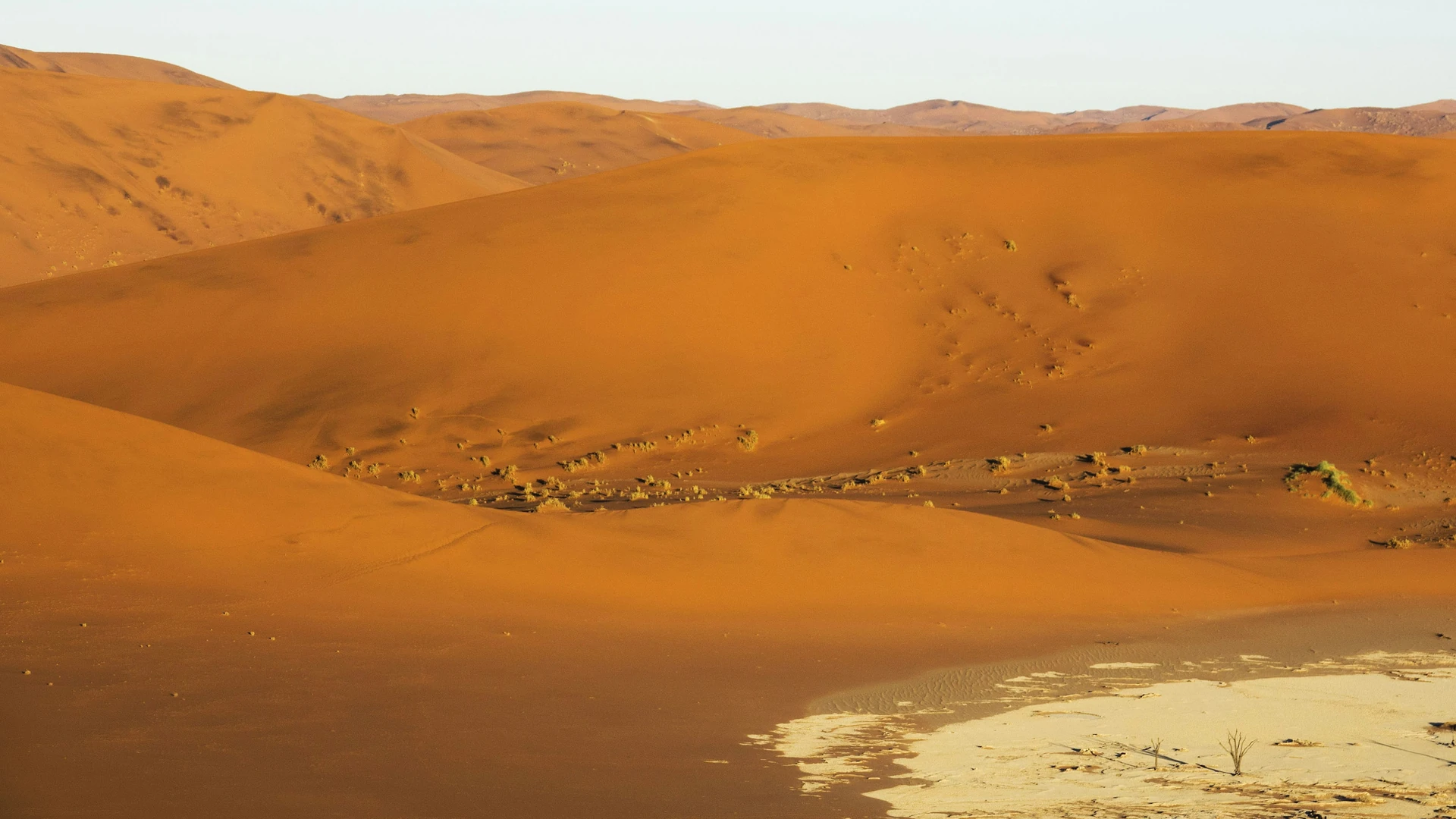
Erfoud lies about 45 kilometres north of Merzouga, on a well-maintained tarmac road that partially follows the Ziz valley.
The journey takes 40 to 50 minutes and is an integral part of most organised tours from Marrakech.
For travellers on a private tour, it is easy to combine in a single half-day a visit to the Erfoud fossil workshops and the Rissani souk, before reaching the Erg Chebbi dunes for sunset and a night in a desert camp.
Local guides' tips
To make the most of Erfoud, allow an hour for a marble workshop and fossil museum visit.
Authentic black marble objects remain relatively light to carry, but check their local provenance before buying to guarantee authenticity.
Book Your Merzouga Tour on WhatsApp
Instant confirmation with no deposit required in advance. Pick-up from your hotel.
Book Your Stay